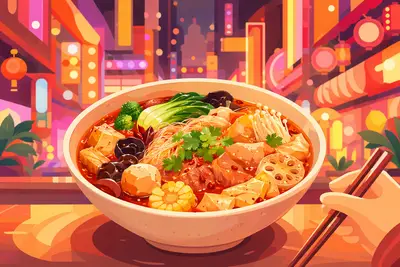
Corn noodle (complimentary)
Diet perspectiveOften included free with orders of ¥1,000 or more. Made from corn, naturally gluten-free, and light enough to let the broth shine
Available at: All locations (complimentary with qualifying order)

La Hongbang Malatang
Lahongbang (辣紅房 / 라홍방) is a Korean malatang chain with over 200 locations, billing itself as Korea's No. 1. In Japan, it runs a straightforward build-your-own-bowl system priced by weight (approx. ¥400/100g), with a complimentary corn noodle. The signature draw is a rich beef-based broth deepened with peanut sauce — closer in feel to tantanmen than traditional Sichuan malatang. Alongside the soup version, a dry-tossed malaguo (麻辣香鍋) is also available. Six spice levels (0–4), 60+ topping choices.
Varies by location
Varies by store
Variable
From clear broth to max heat
Mild beef-based white broth with no heat. Great for spice-averse diners and kids. (Note: broth contains peanuts)
Just a hint of spice — the perfect entry point for first-timers
The standard malatang experience, leaning milder than most Japanese malatang chains — very approachable
The sweet spot where peanut richness and numbing heat come into balance — a crowd favorite
For spice lovers who want a real sweat. The tantanmen-style umami stays intact even at this heat
The highest heat available. A genuine challenge for seasoned spice enthusiasts
By weight — add as much as you like
A fish paste ball stuffed with melted cheese. Consistently described as a standout highlight in diner reviews
A fish paste ball that pops with each bite. Soaks up the broth's savory depth
The Korean chain staple — wide, chewy starch noodles. One of the must-try picks
A bun moja variant with lotus root mixed in, adding a pleasant crunch
Black-and-white patterned starch noodles that are as fun to look at as they are to eat — great for social media
Wide flat noodles with a hint of beef tendon flavor. A natural match for the tantanmen-style broth
The first stomach of beef. Its springy texture pairs perfectly with the spiced sauce
The third stomach of beef. Low in calories and satisfyingly chewy
A classic addition that softens the overall heat and richness
A crisp, medicinal-herb-style topping that's low in calories
The go-to for satisfying crunch. Absorbs broth well
Thin sheets of soy protein — high in protein, low in calories

Mild leafy greens that balance the bowl. The broth's richness draws out their natural sweetness
View nutrition info →
Crisp and refreshing. A Chinese cooking staple that works beautifully here
View nutrition info →Thick Korean-style bean sprouts — crunchy and filling
Soft with a gentle texture. Mellows out when cooked in the broth
Low-carb & diet-friendly picks
Often included free with orders of ¥1,000 or more. Made from corn, naturally gluten-free, and light enough to let the broth shine
Available at: All locations (complimentary with qualifying order)
Wide Korean-style glass noodles that soak up the broth beautifully — chewy, filling, and satisfying
Available at: All locations (as a by-weight topping)
Korean starch noodles in three varieties — flat, lotus root-infused, and panda-patterned. All absorb broth well and are consistently popular
Available at: All locations (as a by-weight topping)
Transform the flavor of your bowl
A rich beef broth layered with peanut sauce for a rounded, tantanmen-adjacent flavor. The numbing heat is gentler than authentic Sichuan-style, while the savory depth and aroma are fully there. Note: the broth contains peanuts — allergy caution advised
Pairs well with: Level 0.5–2
A broth-free style where toppings are tossed in a bold spiced sauce. You get the direct flavor of each ingredient alongside the fragrance of the spices. Only available at spice levels 1–3
Pairs well with: Level 1–3
Calories not disclosed
The peanut-sauce broth at level 1 is approachable and flavorful. Pair it with the chewy flat bun moja and fan-favorite cheese ball for a first visit that hits all the right notes
Calories not disclosed
Keep it all-beef: rich broth, beef tripe, and beef sinew noodles. Finish with a drizzle of chili oil or ma oil from the table to dial up the tingle
Calories not disclosed
A low-calorie bowl built around leafy greens, mushrooms, and tofu skin. Level 0.5 keeps the heat easy while the broth still delivers. Diet-friendly — but note the broth itself contains peanuts
Calories not disclosed
Skip the broth and go dry-tossed at level 2. The bold spiced sauce brings out a smoky intensity you won't find in the soup version — a completely different experience worth trying
Rice, dim sum & desserts
| Complimentary ice cream Some locations offer a free ice cream after your meal — a welcome cool-down after the heat | — |
Only available at this location
Listed on Mala Tabetai
Counted from the visits logged on this device
Your location is used only on this device to calculate distances and is never sent to our server.
Hours may change. Holidays and temporary closures are not reflected.
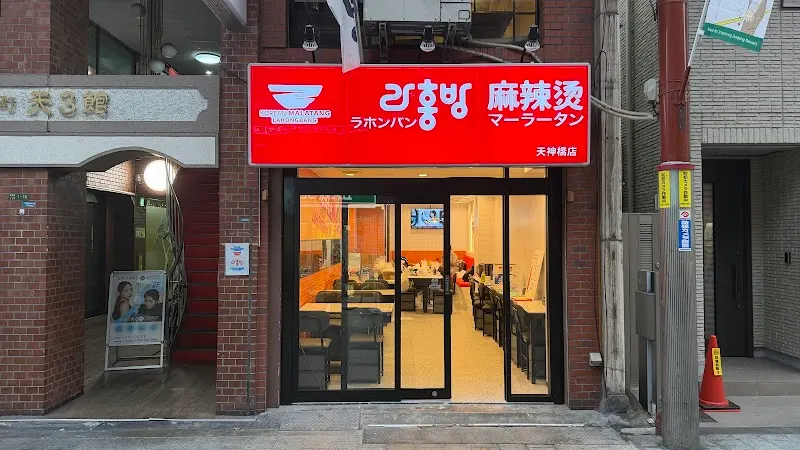
Lahongbang Malatang Osaka Tenjimbashi
Visited大阪市 · Nearest station 南森町駅 4 min walk
About ¥400 per 100g
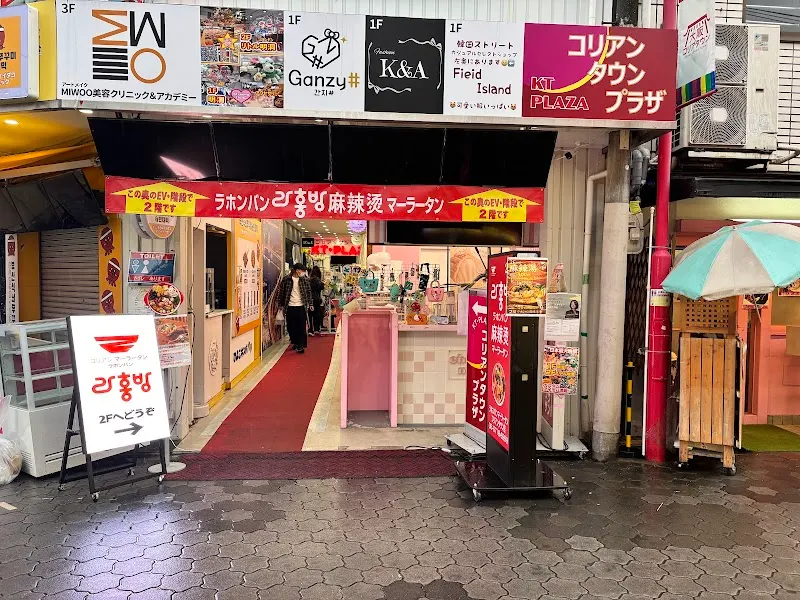
Lahongbang Malatang Osaka Korea Town
Visited大阪市 · Nearest station 鶴橋駅 12 min walk
About ¥400 per 100g
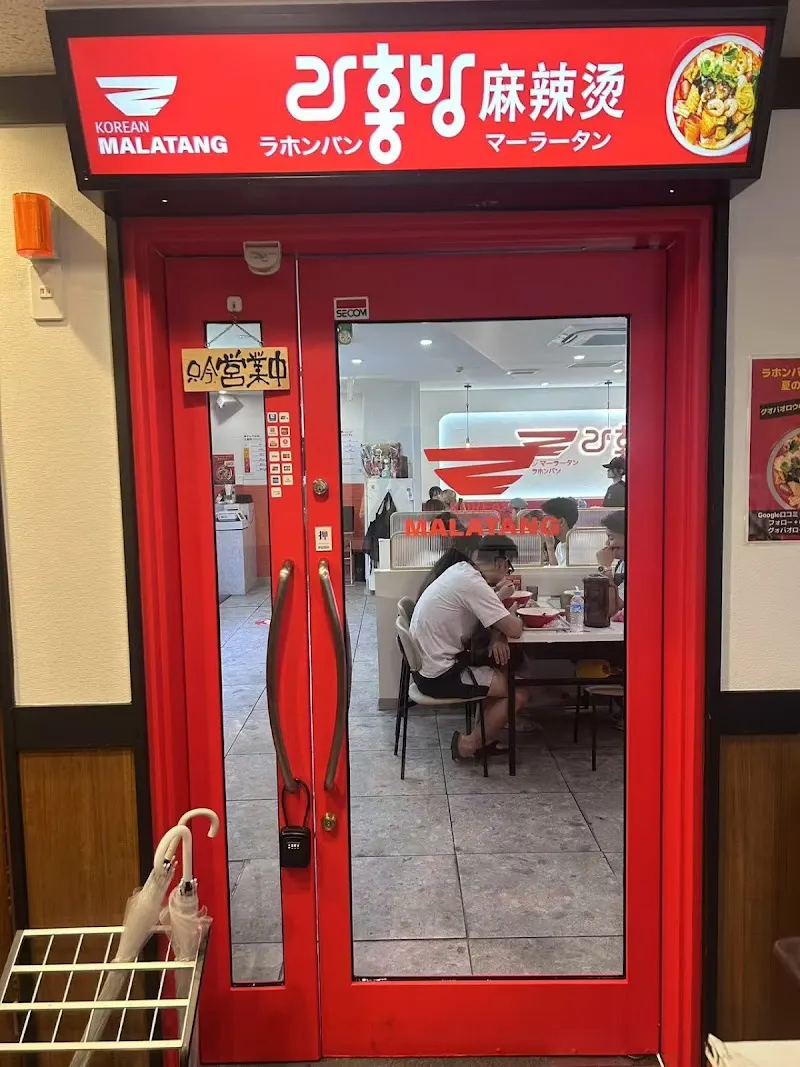
Lahongbang Malatang Osaka Sennichimae
Visited大阪市 · Nearest station なんば駅 4 min walk
About ¥400 per 100g
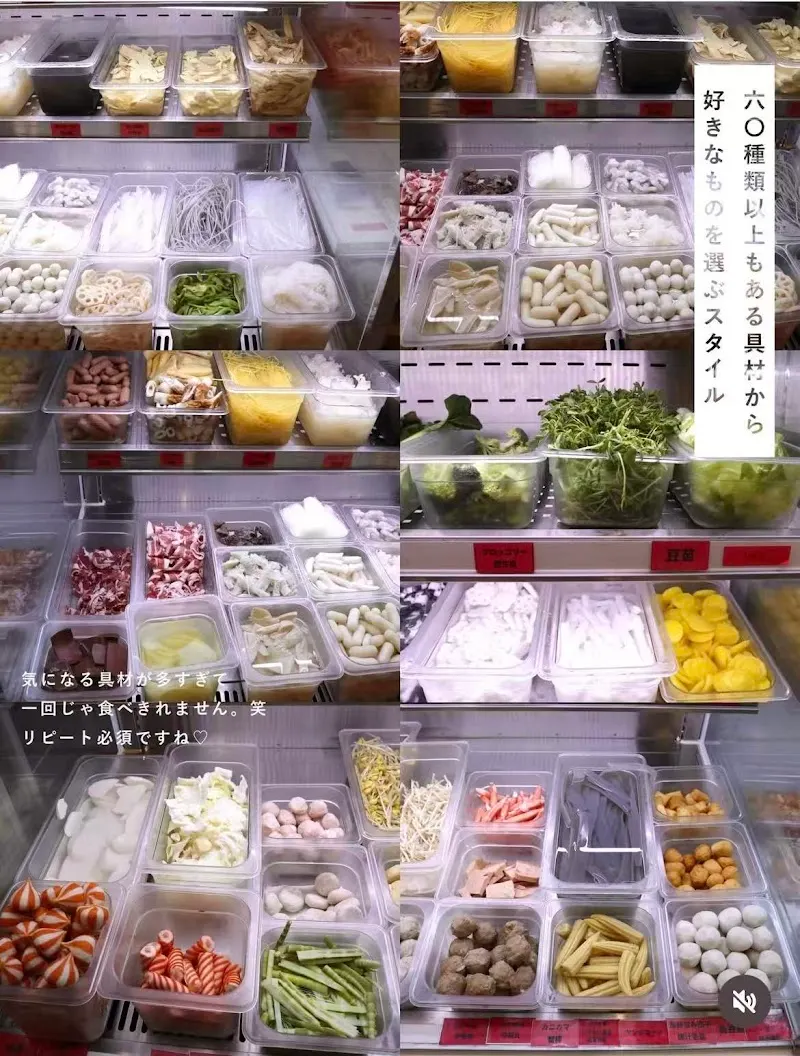
Lahongbang Malatang Osaka Kishisato
Visited大阪市 · Nearest station 岸里駅 2 min walk
About ¥400 per 100g
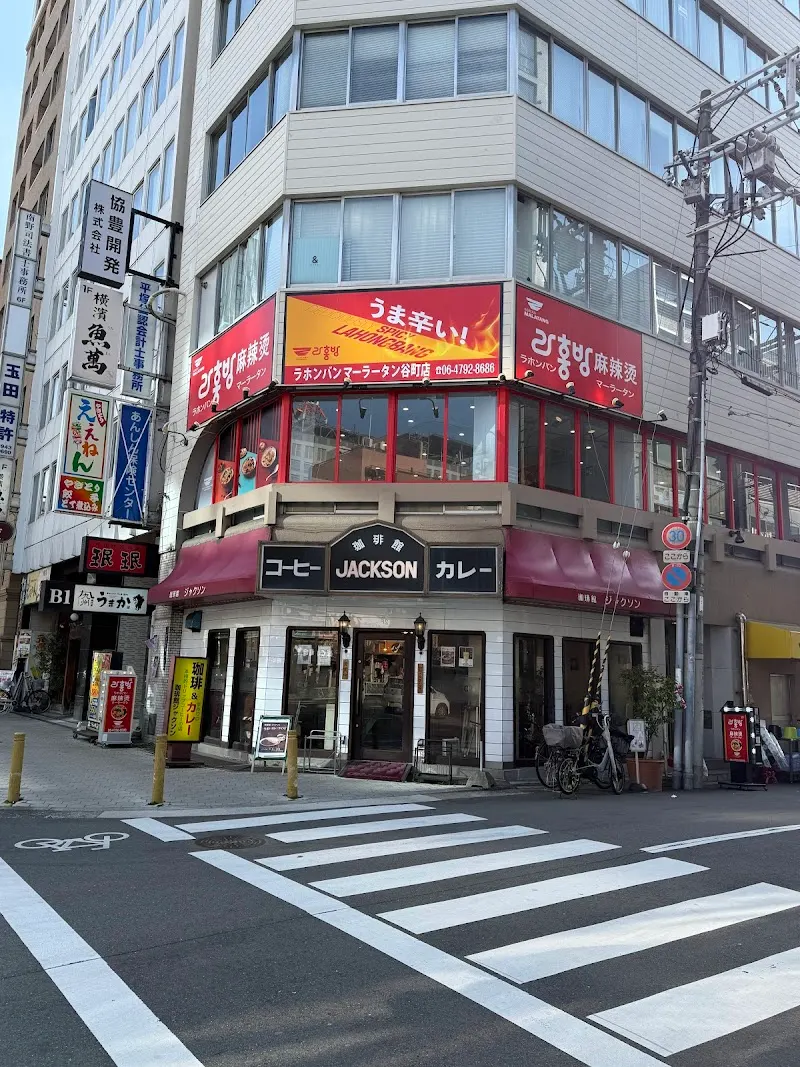
Lahongbang Malatang Osaka Tanimachi
Visited大阪市 · Nearest station 谷町四丁目駅 1 min walk
About ¥400 per 100g
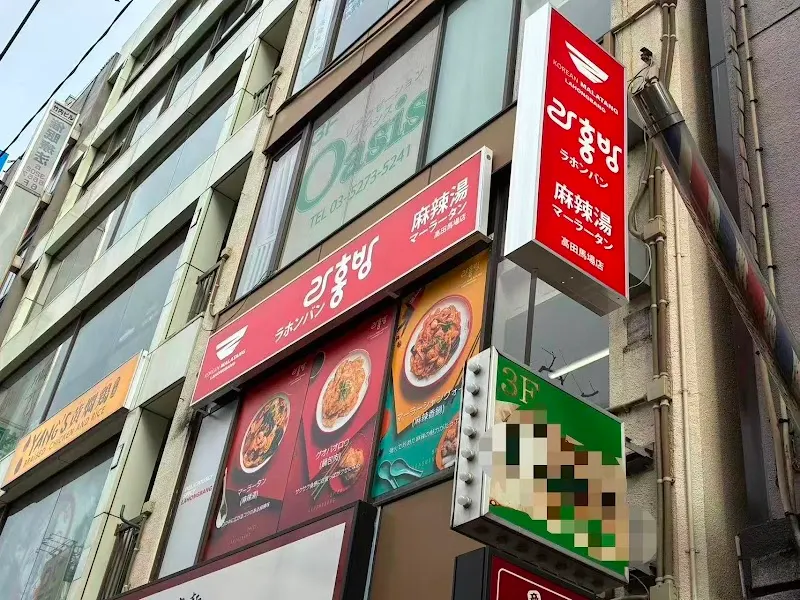
Lahongbang Malatang Takadanobaba
Visited新宿区 · Nearest station 高田馬場駅 3 min walk
About ¥400 per 100g
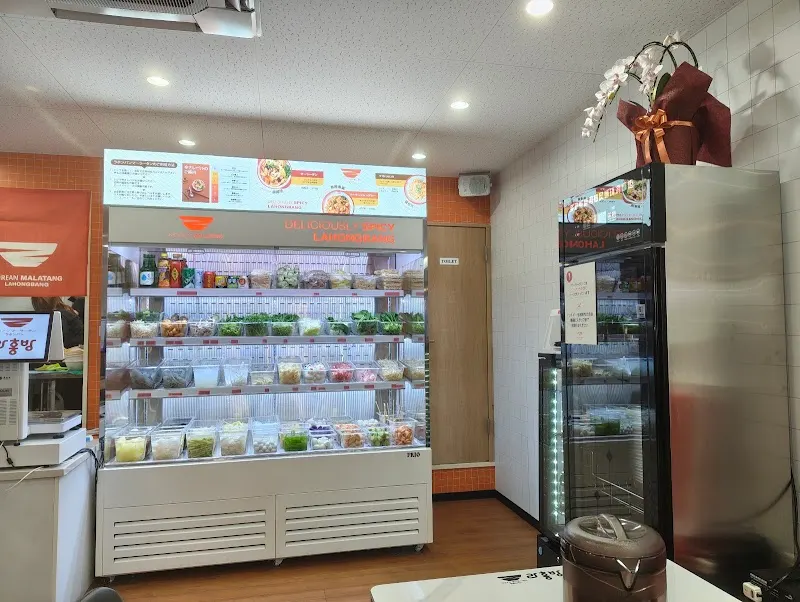
Lahongbang Malatang Machida
Visited町田市 · Nearest station 町田駅 3 min walk
About ¥400 per 100g
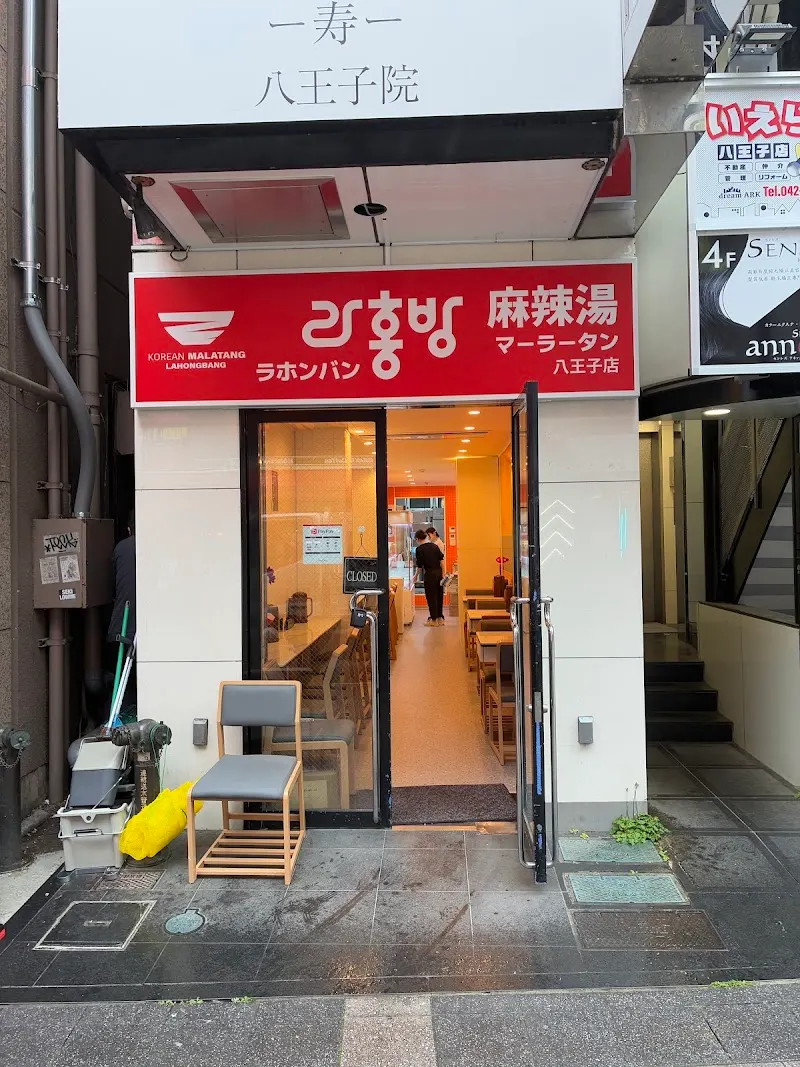
Lahongbang Malatang Hachioji
Visited八王子市 · Nearest station 八王子駅 5 min walk
About ¥400 per 100g
Guides to help you learn about this chain
Lahongbang (辣紅房 / 라홍방) is a Korean malatang chain with over 200 locations, marketing itself as Korea's No. 1 malatang brand. It entered Japan in 2024 with openings in Osaka and Kyoto, followed by its Tokyo debut in Hachioji in March 2026.
Grab a bowl and tongs, fill up from the refrigerated case, and pay by weight at the register — approximately ¥400 per 100g (¥4/g at Hachioji). Plan on spending at least ¥1,000, and orders over that threshold often come with a free corn noodle.
You choose between the signature malatang (soup) and the dry-tossed malaguo (no broth). Malatang comes in six heat levels: 0, 0.5, 1, 2, 3, and 4. Malaguo is only available at levels 1, 2, and 3.
Lahongbang's broth is built on a rich beef base enhanced with peanut sauce, giving it a tantanmen-like roundness and approachability. The numbing heat is gentler than authentic Sichuan-style chains (like Chipao or Yangguofu), making it a solid entry point for malatang newcomers.
Lahongbang's malatang broth contains peanut sauce. If you have a peanut allergy, please avoid the soup or ask the staff whether an alternative broth option is available.
The Korean-style bun moja noodles (flat, lotus root, and panda-patterned), the cheese ball, and the beef cuts (honeycomb tripe, book tripe, and flat beef sinew noodle) are the signatures. For pure flavor compatibility with the broth, the cheese ball and flat bun moja combination is the top pick.
A complimentary corn noodle (gluten-free, made from corn) is included with qualifying orders. You can also add flat glass noodles, flat bun moja, lotus root bun moja, panda bun moja, or flat beef sinew noodle as by-weight toppings.
Go level 0.5 or 1 and load up on komatsuna, water spinach, white wood ear mushroom, and tofu skin. The complimentary corn noodle is gluten-free and light, making it easier to keep carbs in check. Just keep in mind the broth itself contains peanuts.