

Tom Yum
A soup originating from Thailand, characterized by its sour and spicy notes. Lemongrass, galangal, kaffir lime leaves, and other herbs give it a refreshing flavor that pairs beautifully with malatang.
low-calorieimmune-boostrefreshing
A complete guide to the ingredients and toppings you can pick for malatang — with nutrition facts and tips by category: vegetables, meats, mushrooms, noodles, fish cakes, and more.
A soup originating from Thailand, characterized by its sour and spicy notes. Lemongrass, galangal, kaffir lime leaves, and other herbs give it a refreshing flavor that pairs beautifully with malatang.

A rich, deeply flavored soup built on a sesame paste (tahini) base. The heat of doubanjiang and the nuttiness of sesame meld together for a smooth, indulgent taste.

A Sichuan-style soup where the numbing tingle of Sichuan pepper meets the heat of chili. Layered spices build into a complex, addictive depth that keeps you coming back for more.
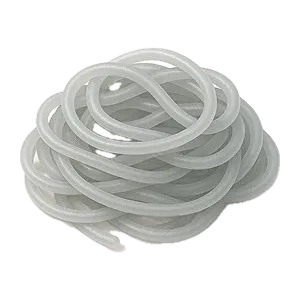
Silky and chewy, glass noodles soak up the broth without competing with the other toppings — a malatang staple. Starch-based with virtually no fat, they're ideal when you want a lighter bowl. They gently round off the spice and make it easy to adjust portion size for your preferred level of fullness.
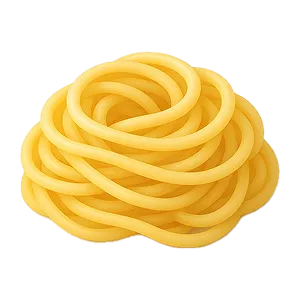
The springy texture and wheaty aroma of Chinese noodles hold their own against even the richest broths. Carbohydrate-forward for quick energy, they spread the flavor beautifully without feeling too heavy.
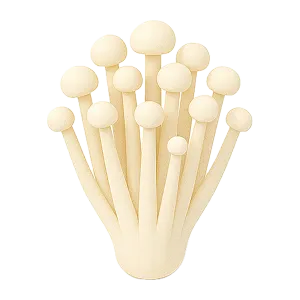
Light and crisp with a delicate umami. Vitamin B1 content for fatigue recovery ranks at the top among mushrooms. Ergothioneine (an antioxidant amino acid) and dietary fiber from the mushroom quietly do their work too.
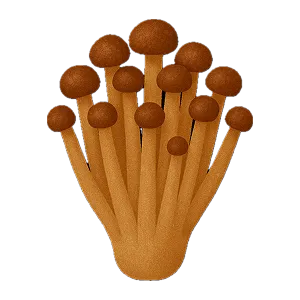
Richer in flavor than white enoki, holding their own against spicy broths. The color comes from the variety and growing conditions; nutritionally they're nearly identical to white enoki. Vitamin B group and dietary fiber form the backbone.
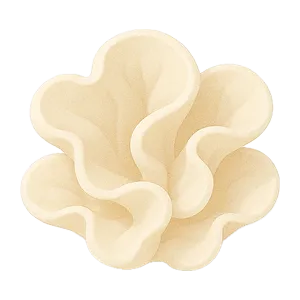
Smooth and silky — a perfect palate cleanser. Water-soluble polysaccharides lend a gentle body to the broth, while the dietary fiber is easy on the stomach.

Its satisfying crunch pairs wonderfully with spicy broth. Rehydrating dried wood ear mushroom makes it a source of vitamin D, while simultaneously delivering dietary fiber and minerals.

Clean umami that works with everything. Beta-glucan (dietary fiber) adds to satiety, and potassium gives the flavor a pleasantly sharp finish.
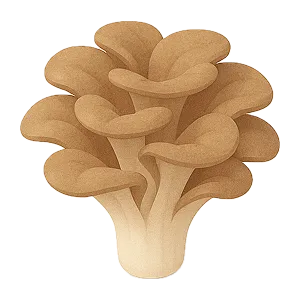
Stands out for its bold aroma and excellent broth-enriching power. Vitamin D — boosted by sunlight and heat — and beta-glucan make it a reliable nutritional ally.
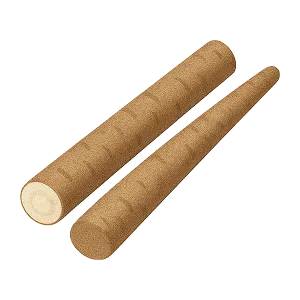
Earthy umami with a distinctive aroma. Inulin-rich dietary fiber promotes a clean digestive feel, while the satisfying chew sustains fullness.
Common picks include leafy greens like bok choy, mizuna, and chrysanthemum greens; mushrooms such as shimeji, wood ear, and shiitake; napa cabbage, bean sprouts, and potato; pork, chicken, and beef; fish cakes, hanpen, yuba, and other surimi and soy products; and noodles like glass noodles, rice vermicelli, and knife-cut noodles. Most shops let you freely choose from 10 to 50+ options.
Crowd favorites include bok choy, wood ear, shimeji, glass noodles, beef offal, and yuba. Among vegetables, bok choy and chrysanthemum greens are popular; for protein, pork belly and beef offal; for noodles, glass noodles and knife-cut noodles.
A good balance is 2–3 vegetables + 1 protein + 1–2 mushrooms + noodles. Soup-soaking glass noodles, yuba, and knife-cut noodles are satisfying and recommended. Go veggie-heavy to keep calories down, or load up on meat and noodles for a hearty bowl.
Most shops include 5–7 items in the base price, with extra toppings available. Two pricing styles are common: pay-by-weight (per gram) and a fixed item count.