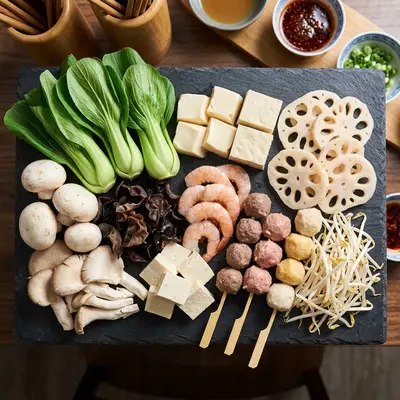
Not a Fan of Spicy Food? A Complete Guide to Enjoying Malatang Without the Heat
目次
- Introduction: "Malatang = Fiery Hot" Is a Myth!
- Broth Is Everything — Your Non-Spicy Options
- Understanding the Difference Between "Má" and "Là"
- Choosing Ingredients That Tame the Heat
- How to Order at the Restaurant
- Recommended "No-Heat Malatang" Sets for Beginners
- Takeaway: You Can Absolutely Enjoy Malatang Without Spice!
Introduction: "Malatang = Fiery Hot" Is a Myth!
When people hear "malatang," many assume "that's a spicy dish — definitely not for me." It's true that "là" (辣) refers to the heat of chili peppers and "má" (麻) refers to the numbing tingle of Sichuan pepper, but malatang is actually a dish where you can freely control the spice level to your liking.
At most specialty shops these days, choosing a precise spice level is completely standard. More and more restaurants offer "zero spice" or "no heat" options, making it easy for spice-averse diners to enjoy the dish without worry. In this article, we'll walk you through specific tips and strategies for savoring malatang even if you can't handle the heat.
Broth Is Everything — Your Non-Spicy Options
If spice is a concern, the most important decision you'll make is which broth (tāng dǐ) to choose. Most specialty shops offer several broth options beyond the classic málà, so always check these first.
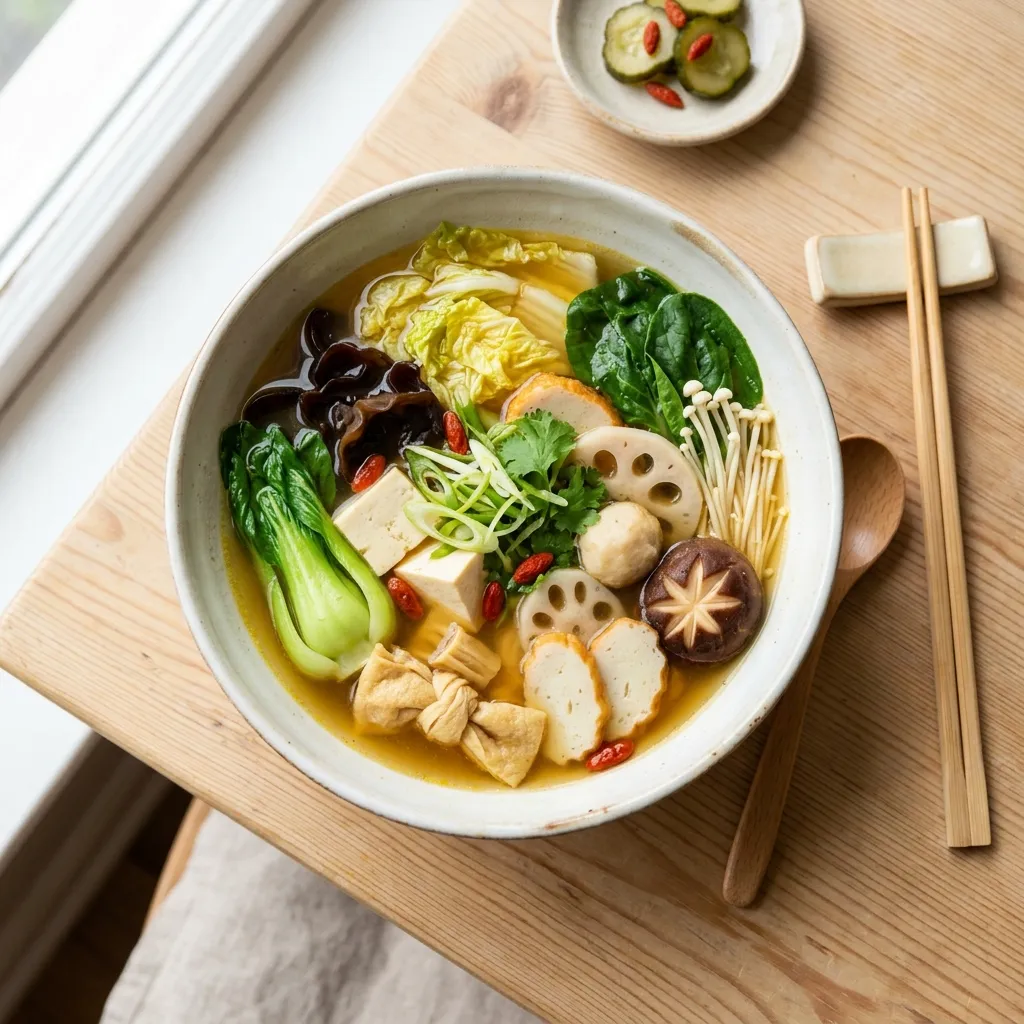
Tomato broth is the top pick for spice-sensitive diners. Built on the tangy sweetness of tomatoes, it's completely heat-free yet full of rich, satisfying flavor. It pairs beautifully with vegetables and is gentle enough for children — a crowd-pleasing choice.
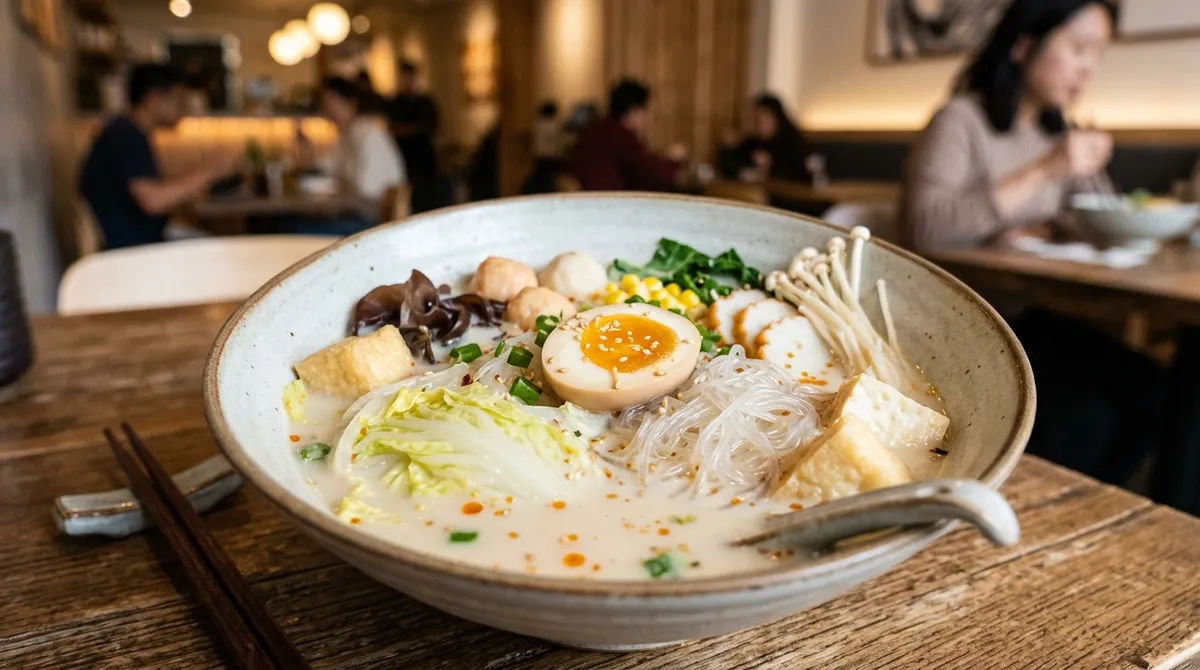
Baitang (white bone broth) is a milky, slow-simmered soup made from chicken or pork bones. Zero heat, and the deep umami it brings out in ingredients is remarkable. Its flavor is close to a tonkotsu ramen broth, making it immediately approachable for newcomers.
Qingtang (clear broth) is a light, clean soup that lets the natural flavors of your ingredients shine through. It tends to be lower in sodium and is great for health-conscious eaters who want to taste each ingredient in its purest form.
Of course, there's also the option of ordering the málà broth at its lowest spice setting. Many shops offer levels like "wēi là" (just a hint of heat) or "bù là" (no heat at all). If you want to enjoy the fragrance of Sichuan pepper without the burn, this approach works well too.
Understanding the Difference Between "Má" and "Là"
To truly enjoy malatang, it helps to know that "má" (麻) and "là" (辣) are two distinct sensations.
"Là" is the burning, fiery heat of chili peppers. This is what most people think of when they say "spicy" — a hot, searing sensation in the mouth. If you're trying to avoid heat, this is what you want to minimize.
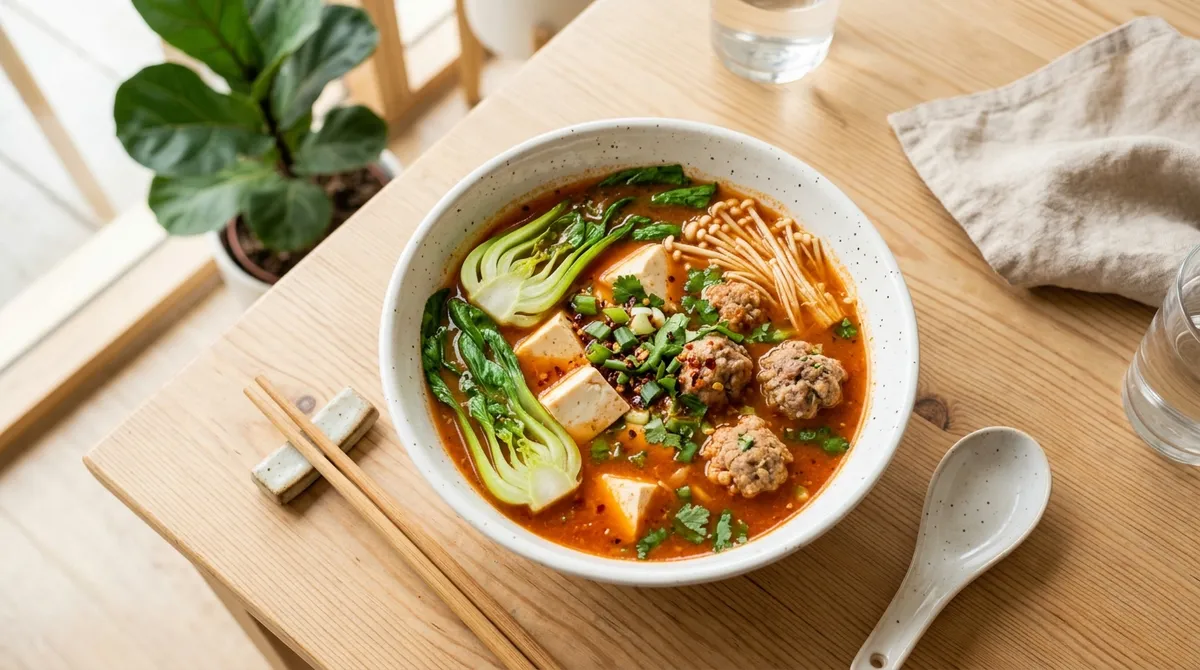
On the other hand, "má" is the buzzing, numbing tingle produced by Sichuan pepper (huājiāo). It's an entirely different sensation from heat — a distinctive prickling that, once you get used to it, feels refreshing and almost addictive. Unlike chili peppers, Sichuan pepper is much gentler on the stomach, and many people who dislike spicy food find they actually enjoy the "má" sensation.
Some restaurants let you adjust "má" (numbing) and "là" (heat) independently. Ordering "more má, less là" gives you the signature numbing fragrance of malatang while keeping the heat to a minimum — a great way to experience what makes the dish unique.
Choosing Ingredients That Tame the Heat
Beyond your broth choice, the ingredients you pick can significantly affect how much heat you actually taste. Here are the key tips for spice-sensitive diners.
- Always add tofu or thick-fried tofu (atsuage)
Soy-based ingredients are your best ally in a spicy broth — they coat the mouth and soften the heat. Eating a piece of tofu essentially resets the spice level in your mouth, acting as a natural "cool-down break" between bites.
- Load up on naturally sweet vegetables like napa cabbage and cabbage
Napa cabbage and regular cabbage develop a pleasant sweetness when cooked, which counterbalances the kick of a spicy broth. Leafy vegetables also absorb less liquid than denser ingredients, so they carry less of the broth's heat to your mouth.
- Add an egg
Some restaurants offer toppings like a raw egg or quail eggs. The richness of egg mellow out the heat and add a layer of creaminess that makes the whole bowl more balanced — two benefits in one.
- Choose wheat noodles over glass noodles (harusame)
Glass noodles (harusame) soak up broth readily, which means they carry the heat of a spicy soup directly to your taste buds. Wheat noodles absorb less liquid and have a more assertive flavor of their own, so the spice tends to be less noticeable.
How to Order at the Restaurant
Walking into a new shop can feel intimidating. Here's a practical ordering playbook for spice-sensitive diners.
① Check the broth options first. Look at the menu or signage for non-spicy choices like tomato or baitang. If you don't see any, just ask: "Can I get this without heat?" Almost every shop will accommodate you.
② Don't hesitate to choose the lowest spice level. Go for "0 là" or "wēi là" — the mildest setting available. If it turns out to be too tame, you can always go a notch higher next time. There's no need to push yourself from the start.
③ Ask if you can adjust má and là separately. If the shop allows it, try "no là, a little má." Even just the aroma of Sichuan pepper is enough to give you the true malatang experience without any heat.
④ Use toppings to mellow the flavor. Some shops offer toppings like cheese, sesame paste (nerigoma), or peanut sauce. These rich, creamy additions wrap around the spice and soften it considerably — use them freely.
⑤ Choose the right drink. Plain water does little to quench the burn. Milk, soy milk, or yogurt-based drinks are far more effective at neutralizing heat. If the restaurant has a drinks menu, opt for something dairy-based.
Recommended "No-Heat Malatang" Sets for Beginners
Here are some tried-and-true combinations that anyone — even confirmed spice avoiders — can enjoy without hesitation.
- For the fully mild diner
Tomato broth + napa cabbage + bean sprouts + enoki mushrooms + tofu + meatballs + wheat noodles. Zero heat, maximum flavor. The tang of tomato, the richness of meatballs, and the sweetness of vegetables come together in a beautifully balanced bowl — the perfect introduction to malatang.
- For the mildly adventurous
Málà broth (lowest spice setting) + napa cabbage + bok choy + wood ear mushrooms + thick-fried tofu + shrimp + glass noodles. A trace of warmth kept in check by the creaminess of the thick-fried tofu. A great way to get a gentle taste of Sichuan pepper without being overwhelmed.
- For those curious about the numbing sensation
Málà broth (more má, no là) + tatsoi + shiitake mushrooms + frozen tofu + chicken + glass noodles. No heat at all, but the numbing tingle of Sichuan pepper takes center stage — an advanced-feeling set that's still completely spice-free. A great way to experience what makes malatang distinctive, on your own terms.
▶ Calorie counts and nutritional data for each ingredient are available in the Topping Encyclopedia. Find the ingredients that work best for you.
▶ For a deeper dive into ingredient selection, check out our guide: "How to Choose Malatang Toppings."
Takeaway: You Can Absolutely Enjoy Malatang Without Spice!
Malatang tends to carry a reputation as a "spicy dish," but in reality it's a highly customizable meal that you can shape entirely to your own taste. With the right broth, the right spice level, and the right combination of ingredients, there's no reason spice-sensitive diners can't have a fantastic time.
The key is not to push yourself. Start with tomato or baitang broth, and once you're comfortable, gradually inch up the heat if you feel like it. Discovering your own personal "just right" level of spice is one of the genuine pleasures of malatang.
If you've been steering clear because you thought it was too spicy, give "heat-free malatang" a try. A whole new world of delicious flavor is waiting for you.
Find malatang near you
Search authentic malatang spots by area or nearest station →
Related articles
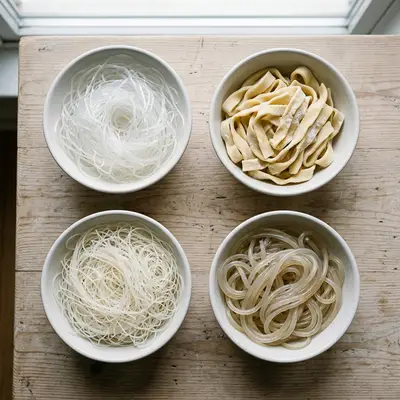
How Many Noodle Types Does Malatang Have? A Complete Guide to Glass Noodles, Dao Xiao Mian, Rice Vermicelli, and More
![Convenience Store Malatang Showdown: A Complete Comparison of 7-Eleven, FamilyMart, and Lawson Products [2026 Edition]](/cms-img/assets/23787e9ca72e4b26ae0b5ff85eead0ec/311296ac79f949b3b9fb9a88b94570e9/malatang-convini.png?fm=webp&w=400&q=70)
Convenience Store Malatang Showdown: A Complete Comparison of 7-Eleven, FamilyMart, and Lawson Products [2026 Edition]
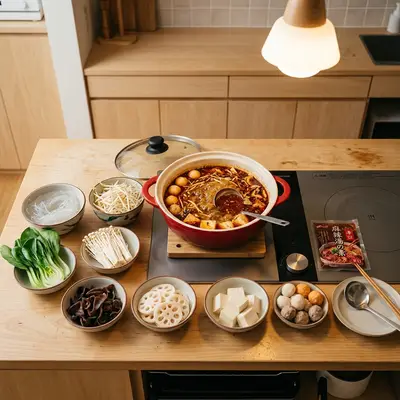
Easy Homemade Malatang: A Complete Recipe Guide + How to Use the Chiipao Home Kit