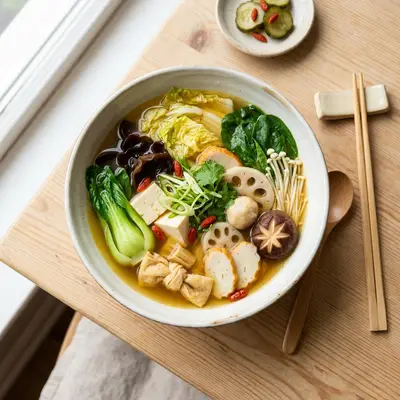
How Many Noodle Types Does Malatang Have? A Complete Guide to Glass Noodles, Dao Xiao Mian, Rice Vermicelli, and More
目次
- Introduction: Your Noodle Choice Makes or Breaks the Malatang Experience
- Glass Noodles (Fěnsī): The Classic Malatang Noodle
- Dao Xiao Mian (Knife-Cut Noodles): Authentic Chewy Noodles for Serious Eaters
- Rice Vermicelli / Mǐxiàn (米線): Light and Silky Rice Noodles
- Kuān Fěn / Broad Glass Noodles: The Wide, Chewy Fan Favorite
- Corn Noodles & Beef Tendon Noodles: Unique Noodles Worth Trying
- Dangmyeon (Korean Glass Noodles): The Trendy Thick-Chewy Noodle
- Konjac Noodles & Shirataki: Your Best Friend on a Diet
- Chinese Wheat Noodles (Ramen-Style): The Go-To for a Hearty Bowl
- Soup × Noodle Pairing Guide
- Conclusion: Find Your Own Favorite Noodle
Introduction: Your Noodle Choice Makes or Breaks the Malatang Experience
One of malatang's biggest appeals is the freedom to customize your own bowl — but your choice of noodle matters just as much as the toppings you pick. Most malatang specialty restaurants offer not just glass noodles but also Chinese wheat noodles, rice vermicelli, dao xiao mian (knife-cut noodles), and several noodle varieties to choose from. Whichever you pick will dramatically affect how well the noodle coats the soup, the texture, and even the calorie count.
If you've always stuck with glass noodles, or if you're not sure what sets the different noodles apart, this article is for you. We'll walk through each of the main noodle types available at malatang restaurants — covering how they pair with the soup, approximate calorie counts, and tips for choosing the best one. If you're also wondering what toppings to add, check out our Topping Encyclopedia or the "Topping Selection Guide" for more help.
Glass Noodles (Fěnsī): The Classic Malatang Noodle
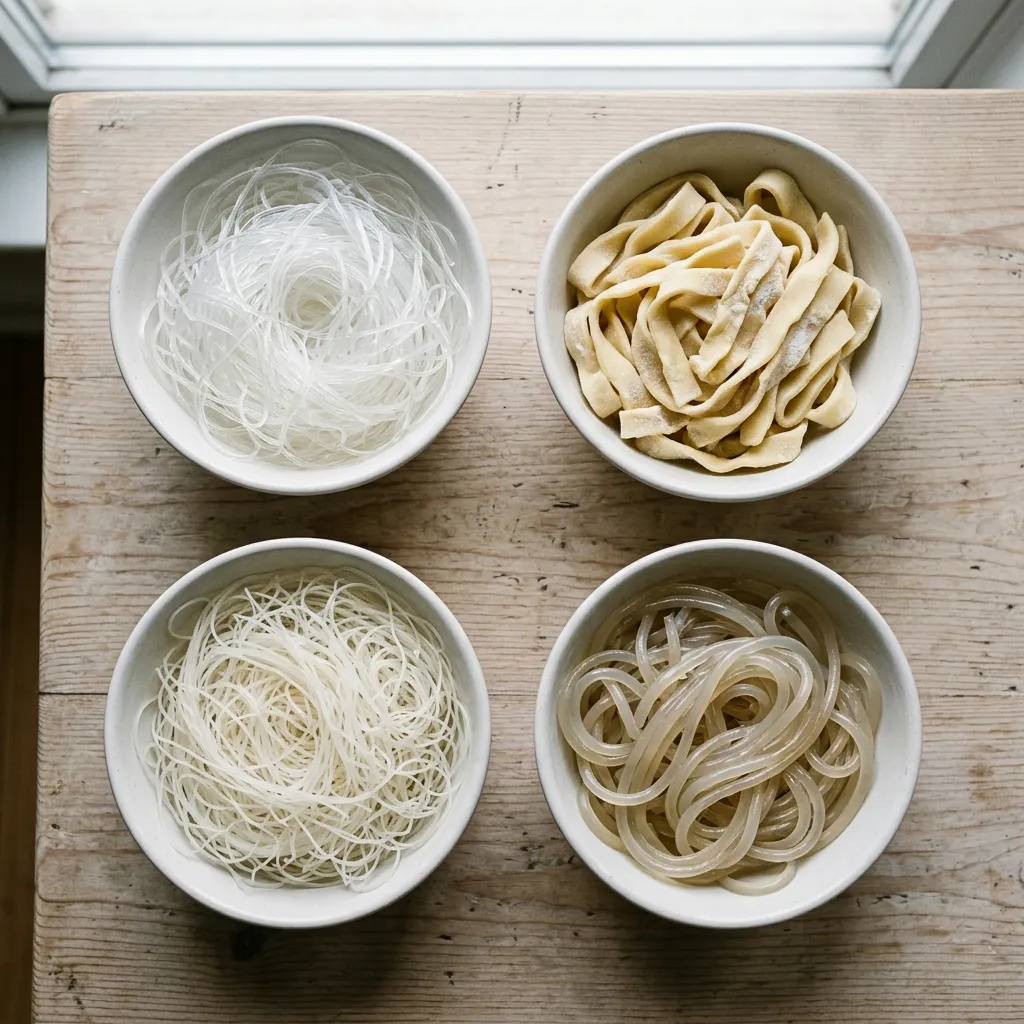
The most popular noodle at malatang restaurants is the glass noodle, known in Chinese as fěnsī (粉絲). Depending on the starch used, they fall into two main categories: mung bean glass noodles and sweet potato glass noodles.
Mung bean glass noodles are clear, thin, and silky smooth. They have a relatively light flavor that lets the soup shine through. Sweet potato glass noodles, on the other hand, are slightly thicker with a chewy, springy bite, and they soak up the broth beautifully for a richer, more intense taste.
Both varieties are gluten-free and contain around 80 kcal per 100 g, making them a low-calorie option with virtually no fat — a big reason they're popular with calorie-conscious eaters. When in doubt, glass noodles are always a safe starting point.
Dao Xiao Mian (Knife-Cut Noodles): Authentic Chewy Noodles for Serious Eaters
Dao xiao mian are a traditional Chinese noodle made by shaving thick slices of dough directly into boiling water using a special blade. The cutting angle gives each piece a triangular cross-section, resulting in a distinctive texture that is slippery on the outside and chewy in the center.
The thickness allows them to absorb broth without losing their own hearty wheat flavor — which means they stand up beautifully to bold soups. Their ability to temper the heat of a spicy broth makes them an outstanding match for málà soup.
They're also more filling than glass noodles, so if you ever find glass noodles leave you a little hungry or you simply want a more satisfying meal, dao xiao mian are highly recommended. They're a popular choice at many specialty restaurants, including Yang Guo Fu Malatang.
Rice Vermicelli / Mǐxiàn (米線): Light and Silky Rice Noodles
Rice vermicelli (mǐxiàn) are noodles made from rice flour. They have a smooth, slippery mouthfeel and a light, clean texture that sets them apart from wheat-based noodles entirely. They're a traditional staple in dishes like Yunnan Province's crossing-the-bridge rice noodles (guò qiáo mǐxiàn), and they deliver a refreshingly simple flavor.
Because their flavor is neutral and unobtrusive, they pair especially well with milder broths such as tomato soup or white bone broth (báitāng). They work with málà broth too, but keep in mind that their lightness means the spiciness will come through more directly.
Being made from rice flour, they are gluten-free — a major advantage for anyone with a wheat allergy.
Kuān Fěn / Broad Glass Noodles: The Wide, Chewy Fan Favorite
Kuān fěn (寛粉) are wide, flat noodles made from sweet potato starch. In Japan they are sometimes labeled as flat glass noodles. Roughly 2–3 cm wide, they combine a satisfyingly chewy bite with a slippery, smooth mouthfeel.
Their large surface area means they pick up a generous coating of broth with every strand, delivering an intense burst of flavor in each bite. They pair especially well with the numbing-spicy kick of málà broth — the sensation has been described as drinking the soup through the noodle itself.
On social media they've earned rave reviews like "impossibly chewy — the best" and "once you try them you're hooked," and they consistently rank among the most popular noodle choices at Yang Guo Fu Malatang.
Corn Noodles & Beef Tendon Noodles: Unique Noodles Worth Trying
Recent malatang specialty restaurants have started offering some more distinctive noodle options as well.
Corn noodles are made, as the name suggests, from corn. They have a subtle natural sweetness and a vivid yellow color. That hint of sweetness provides a pleasant contrast to a spicy broth, leading to a surprisingly delicious combination.
Beef tendon noodles (niú jīn miàn) are known for their firm, springy chew. Despite the name, they're actually made from wheat flour — the name refers to their tendon-like elasticity. Because they require more chewing, they tend to leave you feeling fuller, making them a great option when you want to feel thoroughly satisfied.
Dangmyeon (Korean Glass Noodles): The Trendy Thick-Chewy Noodle
Dangmyeon (唐麺) — best known in Japan as the noodle in Korean japchae — has also been gaining attention as a malatang noodle. Made primarily from sweet potato starch, these are a thicker style of glass noodle with a noticeably chewier, more substantial bite than the thinner Japanese-style glass noodles.
In 2026, 7-Eleven Japan launched a product called "Tsuru-mochi Futomen Harusame Malatang" featuring dangmyeon, which generated significant buzz. As they become increasingly available at convenience stores and supermarkets, dangmyeon has become one of the easiest noodles to use when making malatang at home.
Konjac Noodles & Shirataki: Your Best Friend on a Diet
For anyone trying to keep calories as low as possible, konjac noodles and shirataki are the way to go. At just around 6–7 kcal per 100 g, they are dramatically lower in calories than even glass noodles.
They have a distinctive jelly-like bounce to them, and they absorb the soup's flavor well enough that they don't leave you feeling shortchanged. That said, they don't deliver the same satisfying slurp as wheat noodles or glass noodles, so they're best thought of as the right choice specifically for when keeping calories to a minimum is the top priority.
Another plus: they're easy to find at supermarkets, so they're just as convenient for making malatang at home as for ordering at a restaurant.
Chinese Wheat Noodles (Ramen-Style): The Go-To for a Hearty Bowl
When it comes to pure substance, nothing beats Chinese wheat noodles. At Yang Guo Fu Malatang, for example, you can choose an instant ramen-style noodle, and some restaurants also offer fresh Chinese noodles.
They soak up the broth and expand as they cook, making them perfect for anyone who wants to walk away truly full. The combination of wheat noodles with málà broth is sometimes called malatang noodle soup, and it can feel very much like eating a bowl of ramen.
Keep in mind, though, that the calorie count is roughly three times that of glass noodles, so if you're watching your diet, consider balancing things out with lighter toppings or a milder broth.
Soup × Noodle Pairing Guide
Since you're already taking the time to choose a noodle, it's worth knowing which ones pair best with each soup. Here's a quick reference for the most popular combinations.
Soup Type | Recommended Noodle | Why It Works |
|---|---|---|
Málà soup (classic) | Sweet potato glass noodles, dao xiao mian, kuān fěn | Chewy noodles temper the numbing-spicy broth and carry its richness beautifully |
Tomato soup | Rice vermicelli, Chinese wheat noodles | Light noodles complement the tangy acidity well |
Báitāng (white bone broth) | Mung bean glass noodles, rice vermicelli | Delicate noodles harmonize with the creamy, mild broth |
Dandan soup | Chinese wheat noodles, dao xiao mian | Sturdy wheat noodles stand up to the rich, sesame-heavy broth |
Of course, these are general guidelines — ultimately, your own preference comes first. Trying an unexpected combination might just lead you to a new favorite. If you want to make malatang at home, be sure to check out our article "Easy Authentic Malatang at Home: A Recipe Guide" as well.
Conclusion: Find Your Own Favorite Noodle
Malatang noodles range from classic glass noodles to chewy dao xiao mian to ultra-low-calorie konjac noodles, making them surprisingly varied. Here's a quick recap of each type:
- Glass noodles: The low-calorie classic. Light and easy to slurp.
- Dao xiao mian: Chewy and filling. Great for those who want substance.
- Rice vermicelli: Light and smooth. Gluten-free.
- Kuān fěn: Wide noodles that soak up every drop of soup.
- Corn noodles & beef tendon noodles: Unique flavors and textures worth exploring.
- Dangmyeon: Thick and chewy — the trendy new choice.
- Konjac noodles: Ultra-low-calorie for the diet-conscious.
- Chinese wheat noodles: The ultimate pick when you want a seriously satisfying bowl.
Paying as much attention to your noodle choice as to your topping selection can multiply the enjoyment of malatang many times over. Next time you visit a restaurant, challenge yourself to try a noodle you've never ordered before — you might just discover a new favorite. You can also check calorie counts and nutritional details for each topping in our Topping Encyclopedia.
Find malatang near you
Search authentic malatang spots by area or nearest station →
Related articles
![Convenience Store Malatang Showdown: A Complete Comparison of 7-Eleven, FamilyMart, and Lawson Products [2026 Edition]](/cms-img/assets/23787e9ca72e4b26ae0b5ff85eead0ec/311296ac79f949b3b9fb9a88b94570e9/malatang-convini.png?fm=webp&w=400&q=70)
Convenience Store Malatang Showdown: A Complete Comparison of 7-Eleven, FamilyMart, and Lawson Products [2026 Edition]
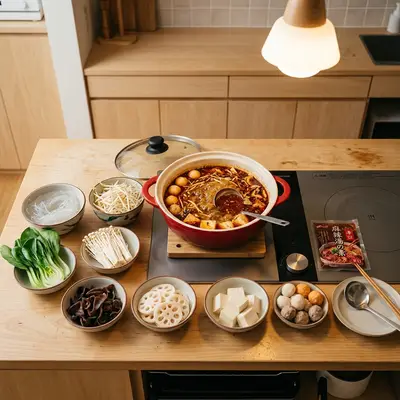
Easy Homemade Malatang: A Complete Recipe Guide + How to Use the Chiipao Home Kit
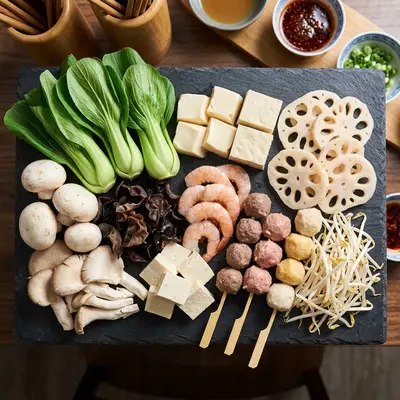
How to Choose Toppings for Malatang — Everything You Need to Get the Most Out of Your Bowl