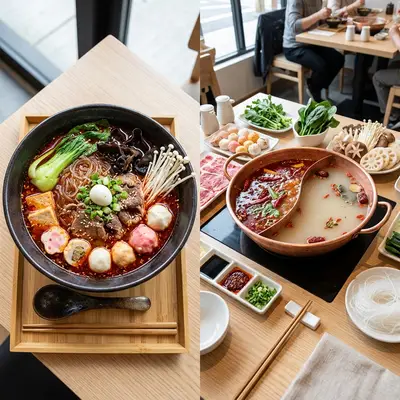
Is Malatang Actually Good for You? A Guide to Healthy Ingredients and the Best Toppings to Choose
目次
What Is Malatang?
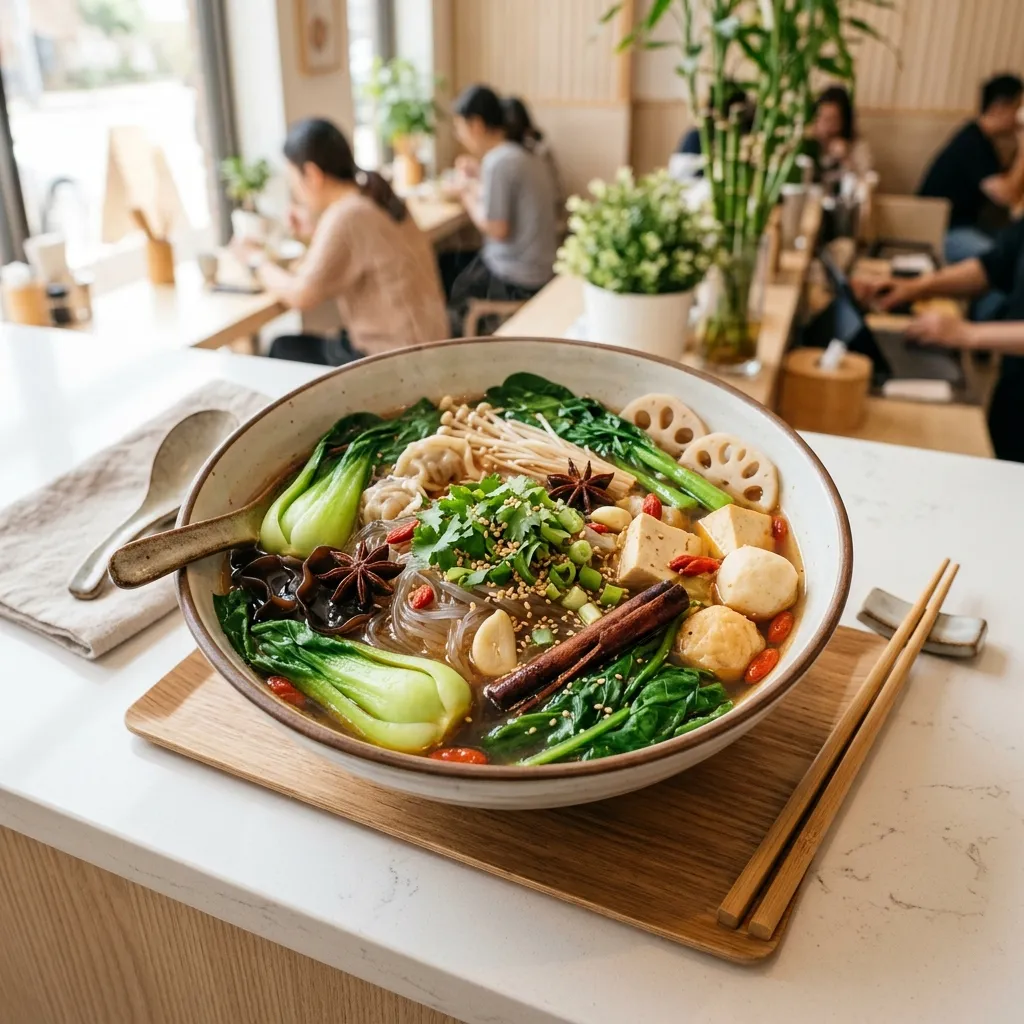
Malatang (マーラータン) is a spicy soup dish originating from Sichuan province, China. True to its name, the soup is defined by two signature sensations: "má" (麻) — the numbing tingle of Sichuan pepper — and "là" (辣) — the sharp heat of chili peppers. Glass noodles, vegetables, mushrooms, tofu, meatballs, and other ingredients of your choice are simmered together in this boldly flavored broth.
In recent years, specialty malatang restaurants have been spreading across Japan, and the self-service format — where you pick your own ingredients and build a bowl to your liking — has become especially popular. The freedom to customize your toppings, spice level, and noodle type has made it a go-to for spice lovers and health-conscious younger diners alike.
Is It Actually Healthy?
The short answer: malatang can absolutely be a healthy meal, depending on how you build it. In terms of calories, a single bowl can vary widely based on ingredients and quantity, but it typically comes in at roughly 400–600 kcal per serving.
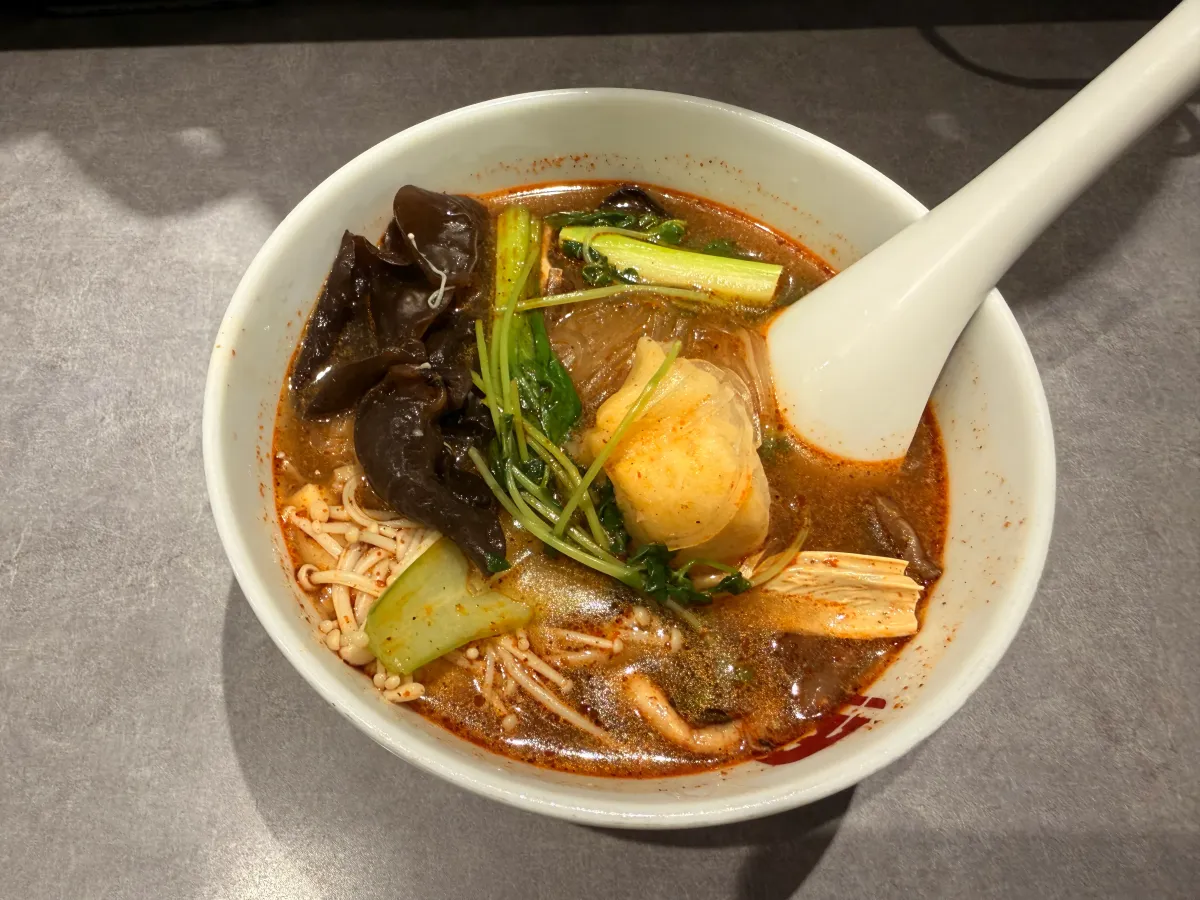
Load up on vegetables and lean ingredients and you can come in lower than a bowl of ramen (roughly 400–600 kcal); pile on fatty meats and fried items and you could easily hit 700 kcal or more. In other words, malatang can be as light or as indulgent as you make it.
Filling your bowl with plenty of vegetables and mushrooms naturally curbs calorie intake thanks to all that dietary fiber — and swapping glass noodles for shirataki, tofu noodles, or seaweed noodles can cut calories substantially. The broth itself tends to be clearer and leaner than something like tonkotsu ramen, meaning the right ingredient choices can yield a high-protein, low-carb bowl that works well for those watching their weight.
Malatang is also a great option for anyone looking to boost their metabolism.
The spices used in the broth — chili peppers, Sichuan pepper (huājiāo), and others — are believed to warm the body from the inside out, improve circulation, and rev up metabolism. Capsaicin, the active compound behind the heat, is thought to support fat burning, and many people notice a pleasant warmth spreading through their body after eating malatang.
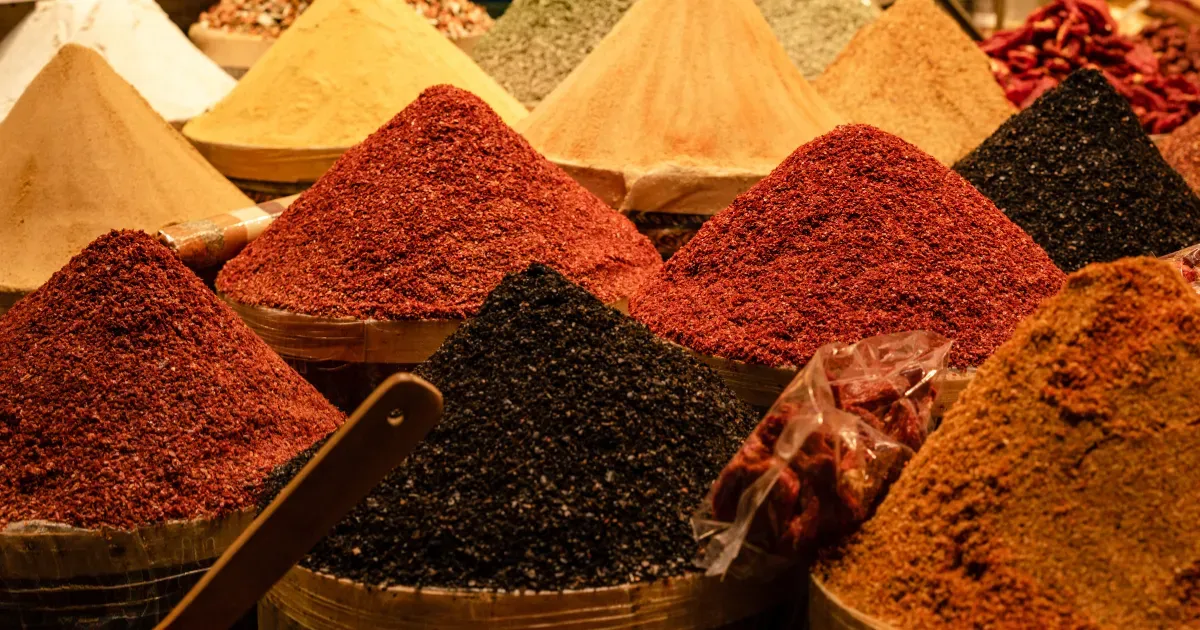
Malatang is also a treasure trove of medicinal spices.
The broth is blended with dozens of aromatics — Sichuan pepper, star anise, cinnamon, cloves, cumin, and many more — each with its own traditionally attributed benefits, from supporting digestion and improving circulation to promoting sweating and fighting bacteria. Star anise and Chinese yam (dried shanyao), for example, are said to aid digestive health; cinnamon bark (guìpí) is associated with better blood flow; and galangal (liángjiāng) is used as a warming, diaphoretic herb. This cumulative warming effect makes malatang particularly appealing to those who run cold or whose metabolism tends to slow down with age.
Perhaps the greatest appeal of malatang, though, is the nutritional balance that comes from eating so many different ingredients at once.
At a self-service restaurant, you can pick small amounts of vegetables, proteins, mushrooms, and more — making it a perfect opportunity to get vitamins and minerals you might otherwise miss. Chinese nutrition experts have pointed out that malatang is essentially a water-cooked medley of diverse ingredients that keeps oil to a minimum while allowing you to eat more than ten different foods in a single meal — making it exceptionally well-rounded nutritionally.
With a bit of thought, malatang can become a low-calorie, nutrient-dense, metabolism-boosting meal that's ideal for anyone eating with their health in mind.
Health Considerations to Keep in Mind
To enjoy malatang in a health-conscious way, there are a few things worth watching out for.
First, be mindful of sodium and fat intake.
The broth and processed or fried toppings in malatang can be high in salt and oil. Restaurant dishes and packaged versions especially tend to run salty, so it's a good idea to stop short of finishing the broth entirely and to go easy on fatty fried toppings. Because the broth soaks up the fat from the spices and savory ingredients, drinking all of it makes it easy to go overboard on both calories and sodium — leaving some broth in the bowl is generally the smarter move. Some experts have also flagged the potential buildup of sodium and harmful compounds in broths that are reused over long periods, though hygiene standards at Japanese restaurants are generally strict. If you're on a sodium-restricted diet, focus on the ingredients and keep the broth to a minimum.
Next, managing the spice level matters too.
The signature heat of malatang, in moderate amounts, can stimulate appetite and promote a healthy sweat — but it's also intense enough to be hard on sensitive stomachs or those who don't handle spice well. Don't push through discomfort; adjust the chili oil and dried chili quantity to match your own tolerance. Many modern malatang shops let you choose your spice level, including milder options with less numbing heat (「シビれなし」/shiberenashi), so first-timers or older diners may want to start on the mild end. On the flip side, even spice lovers should be careful with extremely hot broths, which can irritate the stomach and throat. Eat slowly, let each spoonful cool down a bit, and take your time savoring it.
Finally, pay attention to how often you eat it and when.
As healthy as malatang can be, eating it every day would mean accumulating a lot of sodium and spice. Aiming for once or twice a week and balancing the rest of your diet with varied meals is a sensible approach. It's also better to eat malatang at lunch or dinner rather than very late at night — the stimulating effect of chili peppers can keep some people awake, so enjoying it during the day tends to work better. If sodium and fat from restaurant meals concern you, look for shops that offer lighter broth bases like tomato soup or clear (báitāng) broth. A clear (qīngtāng) or tomato-based broth cuts down significantly on the salt and fat compared to the classic málà version. When making it at home, try diluting a store-bought malatang soup base and adding plenty of vegetables for a lighter result.
The Best Healthy Ingredients to Add
To get the most out of your malatang, here are some specific ingredients worth prioritizing for their nutritional value and great flavor in the broth.
- Vegetables and mushrooms (napa cabbage, spinach, enoki, wood ear mushrooms, etc.)
High in dietary fiber and low in calories, these let you build a filling bowl without any guilt. They add satisfying texture and help you feel full. They're also packed with vitamins and minerals — wood ear mushrooms in particular are rich in iron and vitamin D.
- Tofu and soy-based products (firm tofu, thick-fried tofu, etc.)
An excellent source of plant-based protein and a naturally lean choice. Low in unnecessary carbohydrates and surprisingly filling, soy products are a great protein option for anyone watching their weight. They absorb the broth beautifully and add a creamy, mellow counterpoint to the spicy soup. They also provide calcium and magnesium.
- Lean, high-protein meats and seafood (chicken breast, chicken tenderloin, shrimp, squid, etc.)
Low-fat, high-quality protein sources that support metabolism and help maintain muscle. Chicken and shrimp add a light, savory richness to the broth while keeping the bowl satisfying. Chicken tenderloin in particular is extremely lean and great for weight management, while shrimp and squid contain taurine and other nutrients that are especially beneficial as you get older.
- Low-calorie noodle alternatives (shirataki, konjac noodles, seaweed noodles, etc.)
Swapping these in for glass noodles drastically cuts carbs and calories. Shirataki noodles, for example, contain just a few kilocalories per 100g and are almost entirely dietary fiber. Some specialty shops already offer the option to substitute glass noodles with shirataki, tofu noodles, or seaweed-based noodles, and many customers find they can cut noticeable calories just by making that swap. A satisfying way to eat your fill without the guilt. For reference, regular glass noodles are already relatively low-calorie at around 77 kcal per 100g cooked — lower than rice or Chinese wheat noodles — but if you're aiming for maximum health benefit, these alternatives take it a step further.
Combining these ingredients makes for a malatang that's both deeply satisfying and genuinely nutritious. A bowl built around lots of vegetables, mushrooms, tofu, a little chicken, and shirataki noodles delivers a solid balance of vitamins, minerals, protein, and fiber — while keeping fat and carbohydrates in check. If the flavor feels a little understated, a small amount of cilantro (香菜/pàcài), garlic, or black vinegar can add depth and interest without driving up the sodium. Find the ingredient combination that works for you and turn malatang into your personal healthy go-to.
Wrapping Up — Tips for Enjoying Malatang the Healthy Way
When you put some thought into how you build your bowl, malatang becomes a genuinely healthy dish — low in calories, rich in nutrients, and wonderfully warming. Load it up with vegetables, mushrooms, and lean protein while keeping the salt and fat in check, and it's a meal you can enjoy to the fullest even while dieting. If the spice or sodium is a concern, there's no need to push through it — choose options that suit your body and taste, and adjust as needed. Dialing back the spice, leaving some broth in the bowl, and keeping your frequency moderate are all simple habits that make malatang easy to incorporate into everyday eating.
When you want to warm up on a cold day, or when you're looking for a spicy meal that gets your metabolism going, malatang is a strong choice. Whether you're a younger, health-conscious eater or someone who's been around a little longer, there's a style of malatang that works for you — so give it a try on your own terms. Chances are you'll find it delivers on both flavor and wellness.
Find malatang near you
Search authentic malatang spots by area or nearest station →
Related articles
What Are Glass Noodles Made From? Mung Bean, Potato, and Sweet Potato — Differences and Nutrition Explained
Does a Glass Noodle Diet Really Help You Lose Weight? A Complete Guide to Calories, Carbs, and How to Eat Smart
Malatang Calories: Average Per Bowl and a Quick-Reference Guide by Topping