CHAIN GUIDE
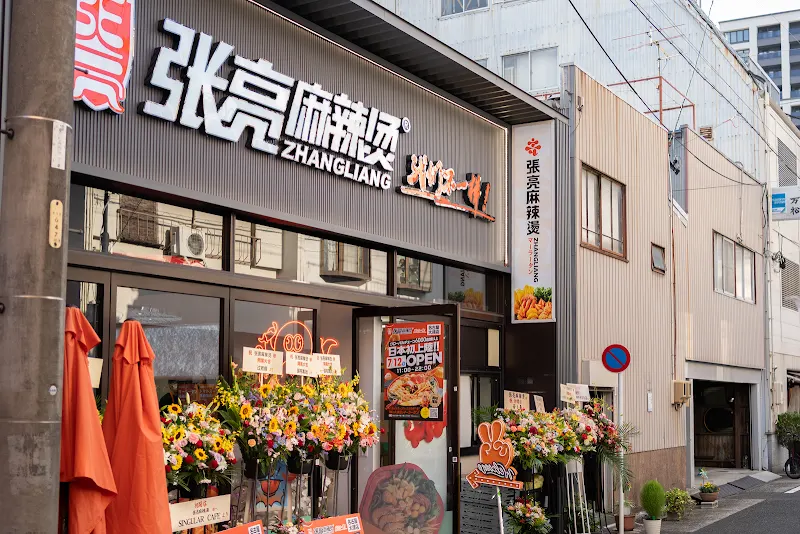
Zhang Liang Malatang

Zhang Liang Malatang

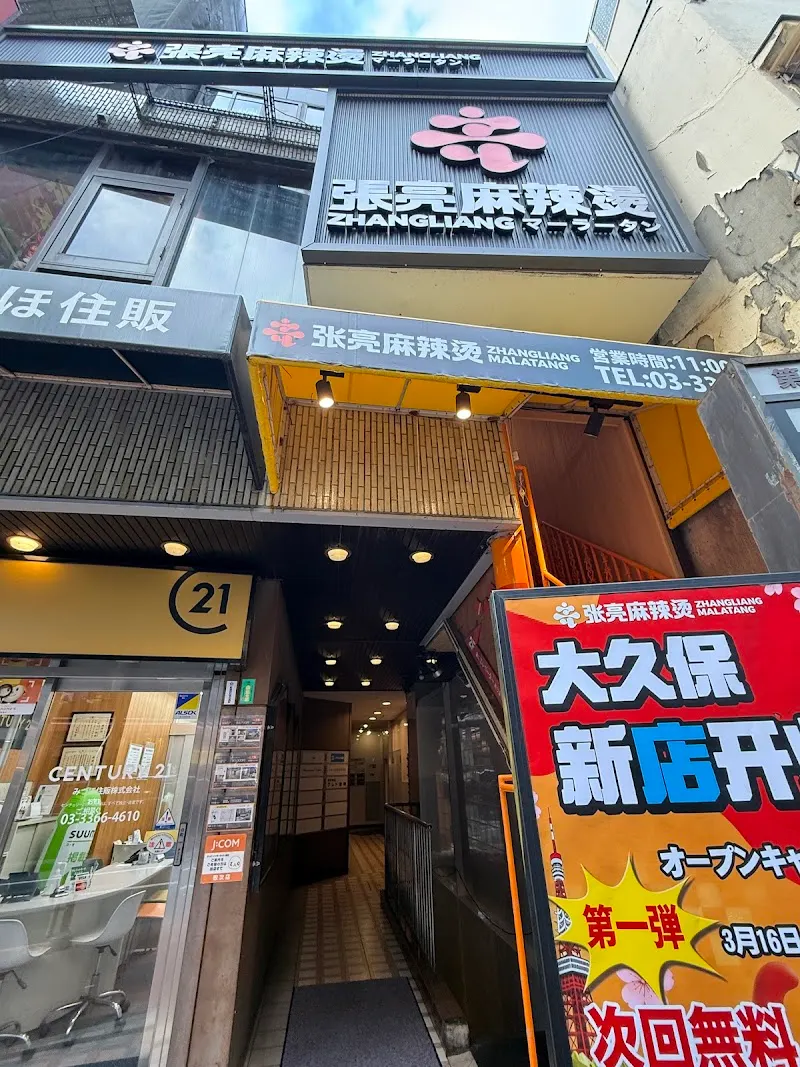
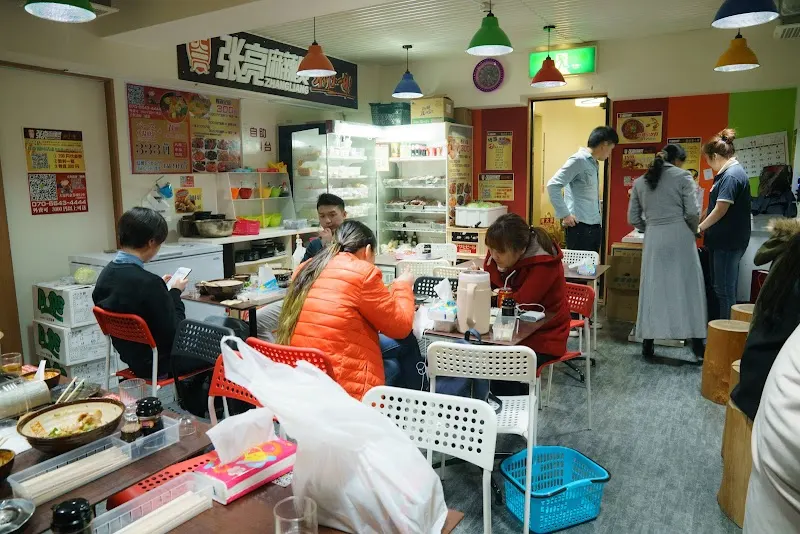
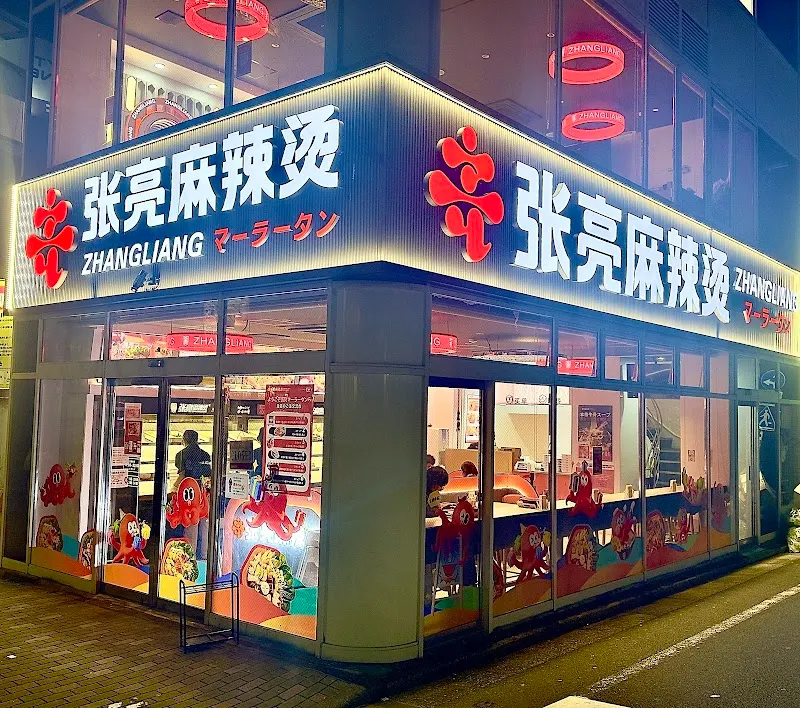
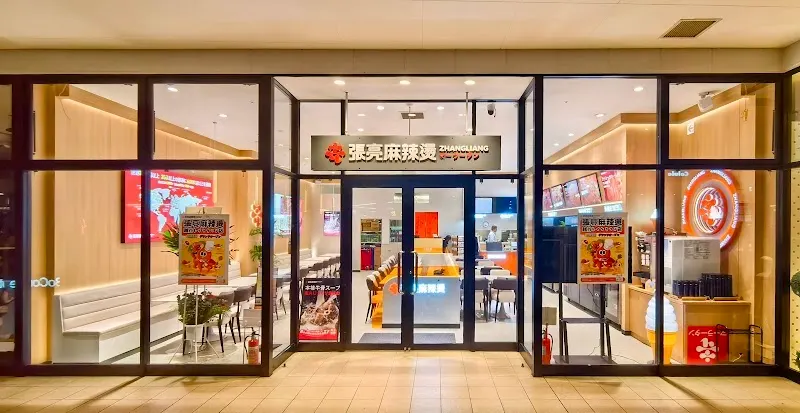
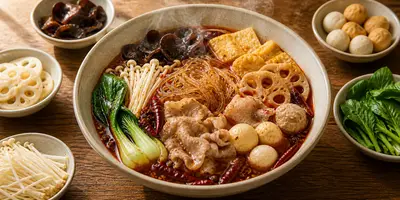
Zhang Liang Malatang is a global malatang chain with over 6,000 locations across China, now expanding into Japan through a franchise model — with its 10th Japanese location signed in 2026. The signature broth is a beef-bone base prepared fresh daily, layered with more than 10 spices and Sichuan peppercorns. Guests can choose from 7 soup styles including Hong Guo (dry-style), Mao Cai, tomato, and mushroom, with over 50 fresh ingredients to build their bowl.

Base Price
333yen〜
Spice
0–4spice

Ordering System

Varies by location

Varies by store

Variable

By weight — Yokohama Chinatown, Nagoya Osu, and other major locations

By Weight
Applies to
Yokohama Chinatown Odori・Nagoya Osu・Ikebukuro・Komagome・Lake Town
Includes
Price determined by the total weight of chosen ingredients (soup and spice level specified separately)
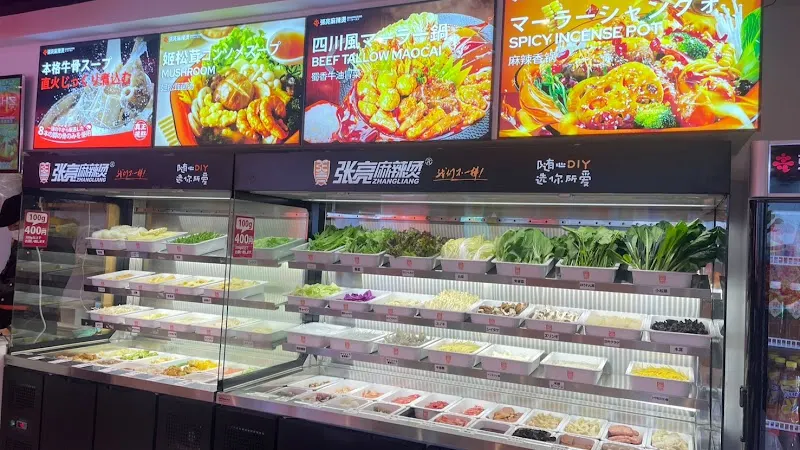
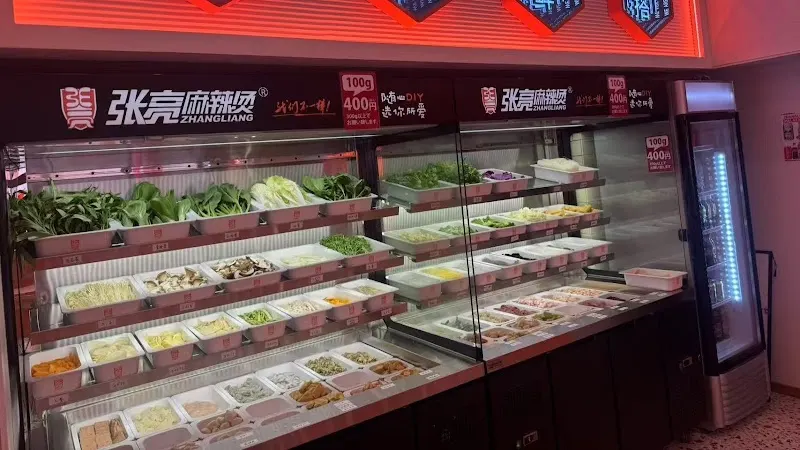
  • Self-service: pick ingredients with tongs into a metal bowl — a true "pick your own" experience
  • Charged at 400 yen per 100g (tax included) by weight — as at Yokohama Chinatown and Nagoya Osu
  • Minimum order 300g (Nagoya Osu)
  • Orders over 1,000 yen come with a free serving of corn noodles or glass noodles
  • Soup style (7 options) and spice level are specified at the register

333yen〜

Tax excl.

Base soup set + per-topping pricing — Osaka Shimanouchi and similar

Hybrid
Applies to
Osaka Shimanouchi
Includes
Base soup + noodles (glass noodles etc.)
  • Base soup and noodle set at 333 yen (ex-tax) + 99 yen per topping (ex-tax)
  • Meat additions around 300 yen
  • Example: a generously topped bowl comes to around 1,350 yen (tax included)
  • The atmosphere is authentically Chinese; some locations are largely Chinese-speaking

Spice Levels

From clear broth to max heat

0 No spice (tomato / mushroom soups) 2 Medium (standard) ★ 4 Extra hot
  • 0
    No spice (tomato / mushroom soups)

    Tomato and mushroom broths are completely non-spicy — ideal for those who can't handle heat

  • 1
    Mild

    A gentle introduction to malatang's fragrance without much heat

  • 2
    Medium (standard) Most Popular

    The balanced sweet spot where the blend of 10+ spices and Sichuan peppercorn numbing really shines

  • 3
    Hot

    For spice lovers who want to sweat — Sichuan peppercorn tingle is prominent

  • 4
    Extra hot

    The maximum level — for seasoned chili fans wanting the full authentic Sichuan experience

Popular Toppings

By weight — add as much as you like

Fish cake balls

A go-to for the broth-soaking, mellow richness they bring to the bowl

Xiao long bao (soup dumplings)

An unexpected but genuinely great pairing — classic dim sum meets malatang

Cheese tteok-bokki

Korean-influenced chewy rice cakes stuffed with melty cheese

Bun mo ja

Springy Korean glass noodle cake — an import that works well here

View nutrition info →

Wonton

Silky-smooth Chinese classic that fits right in

Circus dango

Zhang Liang's original novelty dumpling — a fun conversation starter

Beef (add-on)

A premium meat add-on (around 300 yen) that pairs naturally with the beef-bone broth

Lamb

The slightly sweet fat of lamb is a natural match for the spicy broth

View nutrition info →

Pea shoots

Fresh, crisp greens that balance out the richness

Yu cai (Chinese greens)

A staple leafy green — the broth draws out its natural sweetness

Deep-fried tofu

Adds substance and a satisfying richness when you want a heartier bowl

Lotus root

Crunchy and refreshing — one of the standout vegetable picks

Stem lettuce (wosun)

A crunchy, slightly unusual vegetable — light on calories

Napa cabbage

Great for bulk; absorbs broth and turns pleasantly sweet

View nutrition info →

Octopus-shaped sausage

Playful, kid-friendly, and fun to eat

Glass Noodle Alternatives

Low-carb & diet-friendly picks

Wide glass noodles (kuān fěn)

Diet perspective

Thick, chewy flat glass noodles that soak up broth beautifully — the go-to when you want a filling bowl

Available at: All locations

Thin glass noodles (xì fěn)

Diet perspective

Silky, light glass noodles for a cleaner, more delicate bowl

Available at: All locations

Corn noodles (yùmǐ miàntiáo)

Diet perspective

Gluten-free noodles made from corn; free with orders over 1,000 yen at some locations

Available at: Location-dependent (sometimes offered as a free add-on)

Cold noodles

Diet perspective

A chilled noodle option — pairing cold noodles with hot spicy broth is a classic insider move

Available at: Location-dependent

Soup Variations

Transform the flavor of your bowl

Malatang (signature broth)

A fresh-daily beef-bone base infused with 10+ spices and Sichuan peppercorns. Bold, authentic malatang flavor with distinct numbing heat

Pairs well with: Mild to extra hot

Hong Guo malatang (dry-style)

The malatang broth reduced down to concentrate flavor — less soup, more intensity. One of the most traditional ways to eat it

Pairs well with: Medium to hot

Mao Cai

Inspired by the Sichuan classic mao cai, ingredients are poached in the spiced broth for an aroma-forward, richly layered result

Pairs well with: Medium to hot

Dry-tossed malatang

No broth — ingredients are tossed in a bold chili sauce so every bite is intensely flavored

Pairs well with: Medium to hot

Classic (mild broth)

A simpler beef-bone base with restrained heat — you still get the malatang aroma but in a more accessible form

Pairs well with: Mild

Tomato broth

Bright, tangy, and slightly sweet with no spice — great for families with kids or anyone avoiding heat

Pairs well with: No spice

Mushroom broth

A gentle, umami-forward mushroom broth with no spice — lets the ingredients speak for themselves

Pairs well with: No spice

With calories — great starting point

Spice 2level

Calories not disclosed

Medium × Classic (the safe crowd-pleaser)

Toppings
Beef (add-on)・Fish cake balls・Pea shoots・Wide glass noodles
Arrangement
Malatang (signature broth)

Signature malatang with beef that echoes the bone broth, fish cake for richness, fresh greens, and wide glass noodles. A well-rounded build that delivers authentic bold-and-numbing flavor

Spice 0level

Calories not disclosed

No spice × Tomato (family-friendly)

Toppings
Napa cabbage・Lotus root・Deep-fried tofu・Octopus-shaped sausage
Arrangement
Tomato broth

Bright tomato broth with cabbage, lotus root, tofu, and a fun sausage the kids will love — a great option for the whole family

Spice 4level

Calories not disclosed

Extra hot × Authentic experience (for seasoned heat seekers)

Toppings
Lamb・Bun mo ja・Stem lettuce・Yu cai
Arrangement
Malatang (signature broth)

Extra-hot malatang loaded with lamb, bun mo ja, stem lettuce, and Chinese greens. Finish with a drizzle of chili oil and Sichuan peppercorn oil from the table for the full effect

Spice 2level

Calories not disclosed

Medium × Hong Guo dry-style (concentrated flavor challenge)

Toppings
Beef (add-on)・Xiao long bao・Cheese tteok-bokki・Thin glass noodles
Arrangement
Hong Guo malatang (dry-style)

The reduced dry-style broth intensifies every ingredient. Soup dumplings and cheese tteok-bokki add a playful twist to what's already a bold, concentrated bowl

Sides

Rice, dim sum & desserts

Rice and staples (location-dependent)

Some locations offer rice or other staples to accompany the spicy malatang

Store-Exclusive Menu

Only available at this location

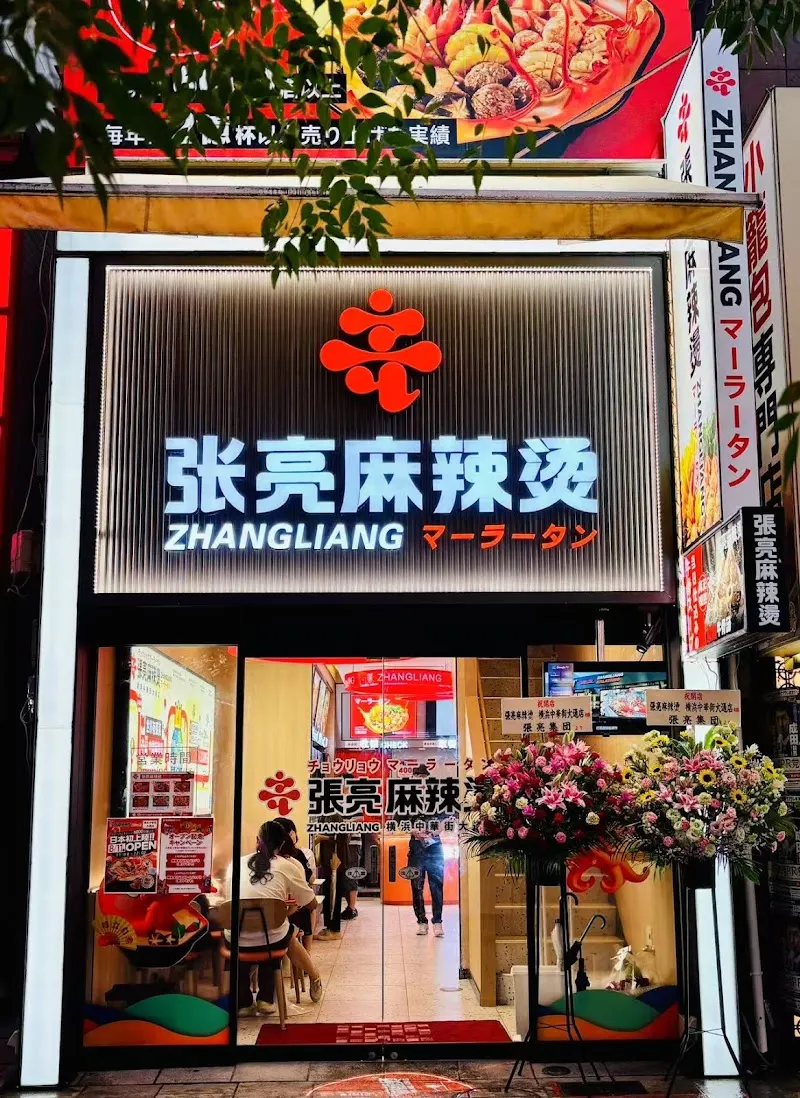
Yokohama Chinatown Odori

  • 149 Yamashitacho, Naka-ku, Yokohama, Kanagawa — 5-minute walk from Nihon Odori Station
  • Hours: 11:00–22:00
  • Six soup styles available (Hong Guo, Mao Cai, dry-tossed, classic, tomato, mushroom)
  • Credit cards not accepted

Nagoya Osu (Kamimaezu)

  • Housed in a converted former cinema with a futuristic digital-art interior
  • Served in a distinctive hexagonal bowl
  • Spice levels available for malatang only; tomato and mushroom are non-spicy
  • 400 yen per 100g, 300g minimum
  • Opened July 12, 2025

Osaka Shimanouchi

  • Unique pricing: base soup + noodles 333 yen, each topping 99 yen
  • Fully authentic Chinese atmosphere — minimal Japanese spoken
  • 40 seats, open 11:00–23:00 every day

Ikebukuro / Komagome / Lake Town

  • Komagome location soft-opened near the station in December 2025
  • Lake Town outlet store opened November 5, 2025
  • The Ikebukuro location is also listed on Tabelog under a ramen category

Hachioji (10th franchise signed)

  • Japan's 10th franchise agreement signed via converted-store operator ABC (2026)
  • Franchise strategy targets areas with a high Chinese-resident population and proximity to stations

Locations

Listed on 麻辣タベタイ

FAQ

What is Zhang Liang Malatang and where does it come from? +

Zhang Liang Malatang (Chinese: 张亮麻辣烫; English brand name: ZHANGLIANG MALATANG) is a global malatang chain with more than 6,000 locations in China. It has been expanding into Japan through a franchise model, with the 10th Japanese franchise agreement signed as of 2026.

Is it true that pricing differs by location? +

Yes — each franchisee sets its own pricing. Yokohama Chinatown, Nagoya Osu, and Ikebukuro use a by-weight system at 400 yen per 100g (some with a 300g minimum), while Osaka Shimanouchi uses a set-plus-topping model: 333 yen for the base soup and noodles, then 99 yen per topping.

How many soup styles can I choose from? +

There are 7 main styles: (1) malatang (signature), (2) Hong Guo dry-style, (3) Mao Cai, (4) dry-tossed, (5) classic, (6) tomato, and (7) mushroom. The Yokohama Chinatown official site describes "six flavors to choose from," and the exact lineup can vary by location.

How many spice levels are there? +

There are four spice levels — mild, medium, hot, and extra hot — plus the non-spicy options (tomato and mushroom broths), making five choices in total. Sichuan peppercorn numbing is a real factor here, so first-timers are better off starting at mild or medium.

What noodle options are available? +

The core options are wide glass noodles, thin glass noodles, corn noodles, and cold noodles. Corn noodles are gluten-free and free with orders over 1,000 yen at some locations.

I've heard the atmosphere can be very authentically Chinese — should I be concerned? +

It really depends on the location. Yokohama Chinatown and Nagoya Osu are more tourist-oriented and Japanese-friendly. Osaka Shimanouchi and similar community-focused stores are far more Chinese in character — mostly Chinese spoken, minimal English or Japanese. If you want a full authentic experience, head to the latter; if you're new to malatang, the former is more comfortable.

What makes the toppings stand out? +

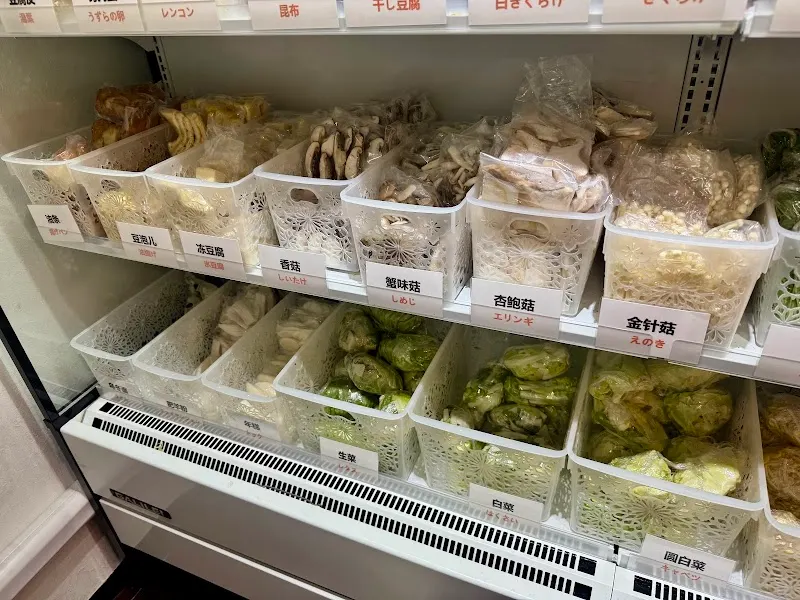
You're choosing from 50+ fresh ingredients. The range covers classic Chinese greens (yu cai, pea shoots), Sichuan-style proteins (fish cake balls, lamb, beef), and more unusual picks like xiao long bao, cheese tteok-bokki, circus dango, bun mo ja, and stem lettuce. It's a mix of Chinese, Korean, and playful influences.

What condiments are on the table? +

The standard set is chili oil, Sichuan peppercorn oil, and crushed peanuts. For a more authentic numbing-spicy hit, go heavy on the peppercorn oil. Peanuts round out the richness.

Any tips for a lighter, lower-calorie bowl? +

Keep the spice level at mild or medium and build around lower-calorie ingredients like yu cai, pea shoots, stem lettuce, napa cabbage, and deep-fried tofu. Swap glass noodles for corn noodles (gluten-free) or a small portion of thin noodles to keep things light while still enjoying the full malatang experience.

Compiled and independently edited from: Yokohama Chinatown Odori official site (yokohama-chuuka.com), Yokohama Chinatown official portal (chinatown.or.jp), on-site dining reports from Nagoya Osu (nagoya-meshi.com) and Osaka Shimanouchi (eclat-shifu.com), the Hachioji 10th-franchise announcement (converted-store operator ABC), official Instagram (@zhangliang.japan), and LINE official account (@861lxaig). Pricing (400 yen/100g by weight vs. 333 yen base + 99 yen per topping), individual location details, soup lineup, and spice levels vary by franchisee and may change over time — always confirm current details with the specific location or official social media.

Check the official site for the latest info